Calcium

Overview

Calcium is the most abundant mineral in your body. It is essential for the development and maintenance of strong bones and teeth, where about 99% of the body’s calcium is found. In smaller amounts, it is essential to the proper function of the heart, nerves, muscles, and other body systems. It is probably best known for helping prevent osteoporosis.

Your body needs several other nutrients in order for calcium to be absorbed and used properly, including magnesium, phosphorous, and especially vitamins D and K.

The best way to get calcium is through food, although most people fail to absorb sufficient calcium for optimal health.

Postmenopausal women, people who consume large amounts of caffeine, alcohol, or soda, and those who take corticosteroid medications may need extra calcium supplements. More serious calcium deficiency can be found in people who don’t absorb enough calcium, as can happen with Crohn’s disease, celiac disease, and some intestinal surgeries.

Getting enough calcium may help prevent or treat the following conditions:

Osteoporosis

Your body needs calcium to help build and maintain healthy bones and strong teeth. People start to lose more bone than their bodies make in their 30s, and the process speeds up as they get older. Calcium, particularly in combination with vitamin D, helps prevent bone loss associated with menopause. It also helps prevent bone loss in older men. If you do not get enough calcium in your diet, your optimal health guide may recommend a supplement.

Hypoparathyroidism

People with this condition have underactive parathyroid glands. These four small glands sit on the four corners of the thyroid in the neck and produce a hormone that regulates calcium, phosphorous, and vitamin D levels in the body. People with this condition should follow a high-calcium, low-phosphorous diet .

Premenstrual Syndrome (PMS)

One large, well-designed study showed that women who took only 1,200 mg of calcium per day reduced their symptoms of PMS by 50%, including headache, moodiness, food cravings, and bloating. The reduction of pain-related symptoms by calcium is well documented and has been experienced by many clients.

High Blood Pressure

People who do not get enough calcium may be at higher risk for hypertension or high blood pressure. Calcium increases the flexibility of blood vessels and can contribute to a reduction in blood pressure.  Calcium is also essential for the heart, as it contributes to muscle strength and flexibility.


High Cholesterol

Preliminary studies in animals and people suggest that calcium supplements, in the range of 1,500 – 2,000 mg per day, may help to lower cholesterol slightly. From these studies, it seems that calcium supplements, along with exercise and a healthy diet, may be better at keeping cholesterol at normal levels than at lowering already high cholesterol.

Rickets

Rickets is a condition of severely low calcium intake that causes softening and weakening of the bone in children. Although very rare in North America and Western Europe, where children drink a lot of milk, it still happens in many parts of the world. This condition can be caused by a vitamin D deficiency, vitamin K deficiency or inadequate intake of calcium.

Dietary Sources

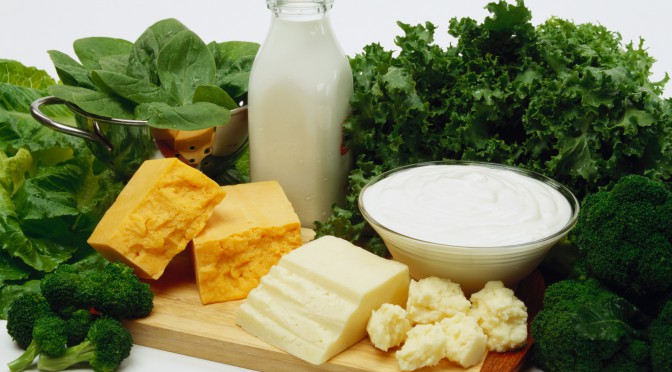
The richest food sources of calcium include cheeses, such as parmesan, Romano, gruyere, cheddar, American, mozzarella, and feta; low-fat dairy products, such as milk and yogurt; tofu; and blackstrap molasses. Some other good sources of calcium include almonds, brewer’s yeast, bok choy, Brazil nuts, broccoli, cabbage, dried figs, kelp, dark leafy greens (such as dandelion, turnip, collard, mustard, kale, and Swiss chard), hazelnuts, oysters, sardines, and canned salmon.

Foods that are often fortified with calcium, such as juices, soy milk, rice milk, tofu and cereals, are also good sources of this mineral.

Supplemental Upper Limits

The Council for Responsible Nutrition recommends an upper limit of 1,500 mg supplemental calcium per day in addition to normal dietary calcium.

A number of hypotheses for adverse effects of excess calcium intake have been investigated over the years, including kidney stones (nephrolithiasis) (Johnson et al. 1979), hypercalcemia with renal insufficiency (milk-alkali syndrome) (Junor and Catto 1976; Orwoll 1982), and harmful calcium interactions with other minerals (Spencer et al. 1965; Clarkson et al. 1967; Schiller et al., 1989). The evidence regarding a link to an increased risk of kidney stones with high calcium intake from foods and supplements is inconsistent, with some studies associating higher calcium intakes with decreased risk of kidney stones (Curhan et al. 1993).

Source

University of Maryland Medical Center

Pantothenic acid (Vitamin B5)

Vitamin B5, also called pantothenic acid, is one of 8 B vitamins. All B vitamins help the body convert carbohydrates into fuel (glucose), which is used to produce energy. These B vitamins, often referred to as B complex vitamins, also help the body use fats and protein. B complex vitamins are needed for healthy skin, hair, eyes, and liver. They also help the nervous system function properly.

All B vitamins are water-soluble, meaning that the body does not store them and must be replenished daily.

In addition to playing a role in the breakdown of fats and carbohydrates for energy, vitamin B5 is critical to the manufacture of red blood cells, as well as sex and stress-related hormones produced in the adrenal glands atop the kidneys. Vitamin B5 is also important in maintaining a healthy digestive tract, and it helps the body use other vitamins, particularly B2 or riboflavin. It is sometimes called the “anti-stress” vitamin.

Your body needs pantothenic acid to synthesize cholesterol.

It is rare for anyone to be seriously deficient in vitamin B5. Symptoms of a vitamin B5 deficiency include fatigue, insomnia, depression, irritability, vomiting, stomach pains, burning feet, and upper respiratory infections.

High Cholesterol/High Triglycerides

Several small, double-blind studies suggest that pantethine may help reduce triglycerides, or fats, in the blood in people who have high cholesterol. In some of these studies, pantethine has also helped lower LDL (bad) cholesterol and raise HDL (good) cholesterol. In some open studies, pantethine seems to lower levels of cholesterol and triglycerides in people with diabetes.

Wound Healing

Studies, mostly in test tubes and animals but a few on people, suggest that vitamin B5 supplements may speed wound healing, especially following surgery. This may be particularly true if vitamin B5 is combined with vitamin C.

Rheumatoid Arthritis

Some early evidence suggests that pantothenic acid might help with symptoms of rheumatoid arthritis (RA). One study found that people with RA may have lower levels of B5 in their blood than healthy people, and the lowest levels were associated with the most severe symptoms. A small study conducted in 1980 concluded that 2,000 mg/day of calcium pantothenate improved symptoms of RA, including morning stiffness and pain.

Dietary Sources

Pantothenic acid gets its name from the Greek root pantos, meaning “everywhere,” because it is available in a wide variety of foods. A lot of vitamin B5 is lost when you food is processed, however. Fresh meats, vegetables, and whole unprocessed grains have more vitamin B5 than refined, canned, and frozen food. The best sources are brewer’s yeast, corn, cauliflower, kale, broccoli, tomatoes, avocado, legumes, lentils, egg yolks, beef (especially organ meats such as liver and kidney), turkey, duck, chicken, milk, split peas, peanuts, soybeans, sweet potatoes, sunflower seeds, whole-grain breads and cereals, lobster, wheat germ, and salmon.

Upper Limits

The Council for Responsible Nutrition recommends an upper limit of 1,000 mg / day for pantothenic acid, citing the lack of adverse effects with daily intakes as high as 10  g.

Source

University of Maryland Medical Center

Biotin (vitamin H)

Overview

Biotin is part of the B complex group of vitamins. All B vitamins help the body to convert carbohydrates into fuel (glucose), which is used to produce energy. These B vitamins, often referred to as B complex vitamins, also help the body metabolize fats and protein. B complex vitamins are needed for healthy skin, hair, eyes, and liver. They also help the nervous system function properly.

Your body needs biotin to metabolize carbohydrates, fats, and amino acids, the building blocks of protein. Biotin is often recommended for strengthening hair and nails and it is found in many cosmetic products for hair and skin.

Like all B vitamins, it is a water-soluble vitamin, meaning the body does not store it. However, bacteria in the intestine can make biotin. It is also available in small amounts a number of foods. Biotin is also important for normal embryonic growth, making it a critical nutrient during pregnancy.

As our bodies can produce it, serious deficiency of this vitamin is rare. Symptoms include hair loss, dry scaly skin, cracking in the corners of the mouth (called cheilitis), swollen and painful tongue that is magenta in color (glossitis), dry eyes, loss of appetite, fatigue, insomnia, and depression. People who have been on IV drip for a long period of time, those taking antiseizure medication or antibiotics long-term, and people with conditions like Crohn’s disease that make it hard to absorb nutrients are more likely to be deficient in biotin.

Cradle Cap (Seborrheic Dermatitis)

Infants who don’t have enough biotin often develop this scaly scalp condition.

Diabetes

Preliminary research indicates that a combination of biotin and chromium might improve blood sugar control in some people with type 2 diabetes, but biotin alone is inadequate.

Dietary Sources

Biotin can be found in brewer’s yeast; cooked eggs, especially egg yolk; sardines; nuts (almonds, peanuts, pecans, walnuts) and nut butters; soybeans; other legumes (beans, blackeye peas); whole grains; cauliflower; bananas; and mushrooms.

Raw egg whites contain a protein called Avidin that interferes with the body’s absorption of biotin. Long term consumption of raw egg whites is not recommended for this, and health, reasons.

Food-processing techniques can destroy biotin. Less-processed versions of the foods listed above contain more biotin.

Upper limits

The Council for Responsible Nutrition sets the upper limit as 2.5 mg / day although the US FDA has never given public notice of receipt of any reports of adverse effects associated with biotin.

 Source

University of Maryland Medical Center

Council for Responsible Nutrition

Vitamin B12 (cobalamin)

Overview

Vitamin B12, also called cobalamin, is one of 8 B vitamins. All B vitamins help the body convert carbohydrates into fuel (glucose), which is used to produce energy. These B vitamins, often referred to as B complex vitamins, also help the body use fats and protein. B complex vitamins are needed for healthy skin, hair, eyes, and liver. They also help the nervous system function properly. All B vitamins are water-soluble, meaning that the body does not store them and must be replenished every day.

Vitamin B12 is an especially important vitamin for maintaining healthy nerve cells, and it helps in the production of DNA and RNA, the body’s genetic material. Vitamin B12 also works closely with vitamin B9 (also called folate or folic acid) to help make red blood cells and to help iron work better in the body. Folate and B12 work together to produce S-adenosylmethionine (SAMe), a compound involved in immune function and mood.

Vitamins B12, B6, and B9 work together to control blood levels of the amino acid homocysteine. High levels of homocysteine are associated with heart disease.

Defficiency

Mild defficiency is relatively common with unwholesome diets and low stomach acid levels, which the body needs to absorb B12. Low levels of B12 can cause a range of symptoms including fatigue, shortness of breath, diarrhoea, nervousness, numbness, or tingling sensation in the fingers and toes. Severe deficiency of B12 causes nerve damage. Others at risk for B12 deficiency include:

  • Vegans, vegetarians who also don’t eat dairy or eggs – vitamin B12 is found only in animal products
  • People with problems absorbing nutrients, due to conditions such as Crohn’s disease, pancreatic disease, and people who have had weight loss surgery
  • People who are infected with Helicobacter pylori, an organism in the intestines that can cause ulcers. H. pylori damages stomach cells that make intrinsic factor, a substance the body needs to absorb B12
  • People with eating disorders
  • People with HIV
  • The elderly

Pernicious Anaemia

Pernicious anaemia is a type of anaemia that happens when stomach cells are not able to make intrinsic factor. Without intrinsic factor, your body cannot absorb vitamin B12. Symptoms include weakness, pale skin, diarrhoea, weight loss, fever, numbness or tingling sensation in the hands and feet, loss of balance, confusion, memory loss, and moodiness. Vitamin B12 supplements in high doses, either given as injections or orally, are prescribed to treat pernicious anaemia. Pernicious anaemia can be a dangerous condition and patients should always be co-treated with a doctor.

Heart Disease

Many studies suggest that people with high levels of the amino acid homocysteine are roughly 1.7 times more likely to develop coronary artery disease and 2.5 times more likely to have a stroke than those with normal levels. B complex vitamins, especially vitamins B9, B6, and B12, help lower homocysteine levels.

Age-Related Macular Degeneration

One large study found that women who took 1,000 mcg of vitamin B12 along with 2500 mcg of folic acid and 500 mg of vitamin B6 daily reduced their risk of developing AMD, an eye disease that can cause loss of vision.

Fatigue

Fatigue is one of the symptoms of a vitamin B12 deficiency. One small study, done several years ago, suggested that some people who were not deficient in B12 might gain more energy from B12 shots.  Please consider other causes and solutions for fatigue to provide wholesome advice.

Breast Cancer

Although there is no evidence that vitamin B12 alone reduces the risk of breast cancer, population studies have shown that women who get more folate in their diet have lower risk of breast cancer. Vitamin B12 works with folate in the body, so it may help contribute to a lesser risk. Another preliminary study suggested that postmenopausal women who had the lowest amounts of B12 in their diet had an increased risk for breast cancer.

Male Infertility

Studies suggest that vitamin B12 supplements may improve sperm counts and sperm mobility.

Dietary Sources

Vitamin B12 is found only in animal foods. Good dietary sources include fish, shellfish, dairy products, organ meats — particularly liver and kidney– eggs, beef, and pork.

Upper Limits

The Council for Responsible Nutrition recommends an upper limit of 3,000 µg (3 mg) per day although it acknowledges that no toxic effects of B12 have been encountered in humans or animals at any level of oral intake (Miller and Hayes 1982; IOM 1998). The CNR states that the overall evidence indicates that vitamin B12 is virtually nontoxic. D

Source

University of Maryland Medical Center

Folic Acid / Folate (Vitamin B9)

Overview

Vitamin B9, also known as folate or folic acid, is one of 8 B vitamins. All B vitamins help the body convert carbohydrates into fuel (glucose), which is used to produce energy. These B vitamins, often referred to as B complex vitamins, also help the body use fats and protein. B complex vitamins are needed for healthy skin, hair, eyes, and liver. They also help the nervous system function properly. Folic acid is the synthetic form of B9, found in supplements and fortified foods, while folate occurs naturally in foods. We will refer to both terms interchangeably below.

All the B vitamins are water-soluble, meaning that they must be taken each day as the body does not store them .

Folic acid is crucial for proper brain function and plays an important role in mental and emotional health. It aids in the production of DNA and RNA, the body’s genetic material, and is especially important when cells and tissues are growing rapidly, such as in infancy, adolescence, and pregnancy. Folic acid also works closely with vitamin B12 to help make red blood cells and help iron work properly in the body.

Vitamin B9 works with vitamins B6 and B12 and other nutrients to control blood levels of the amino acid homocysteine. High levels of homocysteine are associated with heart disease. 

It is fairly common to have low levels of folic acid. Alcoholism, inflammatory bowel disease, and celiac disease can cause folic acid deficiency. Also, certain medications may lower levels of folic acid in the body. Folic acid deficiency can cause poor growth, tongue inflammation, gingivitis, loss of appetite, shortness of breath, diarrhea, irritability, forgetfulness, and mental sluggishness.

Pregnant women need more folic acid to lower the risk of neural tube birth defects, including cleft palate, spina bifida, and brain damage. Neural tube defects are birth defects caused by abnormal development of the neural tube, a structure that eventually gives rise to the brain and spinal cord. Since folic acid has been added to many grain foods in the U.S., such as bread and cereal, neural tube defects have decreased dramatically.

Birth Defects

As mentioned, pregnant women who don’t get enough folic acid are more likely to have children with birth defects. Pregnant women should get 600 mcg of folic acid per day. Women who plan to become pregnant should make sure to get the recommended 400 mcg per day, since many neural tube defects can happen shortly after conception, before a woman even knows she is pregnant.

Studies show that women who take folic acid supplements before conception and during the first trimester may reduce their risk of having children with neural tube defects by 72 – 100%. Folic acid may also help prevent miscarriage, although the evidence isn’t clear.

Heart Disease

Folate may help protect the heart through several methods. First, there is some evidence that getting enough folic acid in your diet can reduce your risk of heart disease, although this evidence is based on population studies and not more definitive clinical trials.

Also, many studies suggest that people with high levels of the amino acid homocysteine are roughly 1.7 times more likely to develop coronary artery disease and 2.5 times more likely to have a stroke than those with normal levels. B complex vitamins, especially vitamins B9, B6, and B12, help lower homocysteine levels.

Age-related Hearing Loss

One study suggests that folic acid supplements help slow the progression of age-related hearing loss in elderly people with high homocysteine levels and low folate in their diet. It isn’t known whether healthy seniors would benefit.

Age-Related Macular Degeneration

One large study found that women who took 2,500 mcg of folic acid along with 500 mg of vitamin B6 and 1,000 mcg of cyanocobalamin (vitamin B12) daily reduced their risk of developing AMD, an eye disease that can cause loss of vision.

Depression

There are myriad causes for depression but some studies show that 15 – 38% of people with depression have low folate levels in their bodies, and those with very low levels tend to be the most depressed.  Supplementation of folate and other nutrients through food or food-based supplements may assist this condition.

Cancer

Folic acid in the diet seems to protect against the development of some forms of cancer, particularly cancer of the colon, as well as breast, cervical, pancreatic, and stomach. However, this evidence is based on population studies that show people who get enough folate in their diet have lower rates of these cancers. Researchers don’t know exactly how folate might help prevent cancer. Some think that folic acid keeps DNA healthy and prevents mutations that can lead to cancer. Low dietary intake of folate may increase the risk of developing breast cancer, particularly for women who drink alcohol. Regular use of alcohol — more than 1 ½ to 2 glasses per day — is associated with higher risk of breast cancer. One large study, involving over 50,000 women who were followed over time, suggests that adequate intake of folate may reduce the risk of breast cancer associated with alcohol.

Dietary Sources

Rich sources of folate include spinach, dark leafy greens, asparagus, turnip, beets, and mustard greens, Brussels sprouts, lima beans, soybeans, beef liver, brewer’s yeast, root vegetables, whole grains, wheat germ, bulgur wheat, kidney beans, white beans, lima beans, mung beans, salmon, orange juice, avocado, and milk.

Safety limits

The Council for Responsible Nutrition recommends an upper limit of 1,000 µg (1.25 mg) per day.

Sources

University of Maryland Medical Center

The Council for Responsible Nutrition

Vitamin B6 (Pyridoxine)

Overview

Vitamin B6 is a water-soluble vitamin that is important in carbohydrate, lipid, and amino acid metabolism. It is found in the body in three primary forms: pyridoxine (the common name given mainly to the alcohol form, or pyridoxol); pyridoxal (the aldehyde); and pyridoxamine (theamine).

Vitamin B6 helps the body make several neurotransmitters, chemicals that carry signals from one nerve cell to another. It is needed for normal brain development and function, and helps the body make the hormones serotonin and norepinephrine, which influence mood, and melatonin, which helps regulate the body clock.

Along with vitamins B12 and folic acid (B9), B6 helps control levels of homocysteine in the blood. Homocysteine is an amino acid that is associated with heart disease. Your body needs B6 in order to absorb vitamin B12 and to make red blood cells and cells of the immune system.

It is rare to have a significant deficiency of B6, although studies indicate many people may be mildly deficient, especially children and the elderly. Certain medications can also cause low levels of B6 in the body. Symptoms of mild deficiency include muscle weakness, nervousness, irritability, depression, difficulty concentrating, and short-term memory loss.

Dietary Sources

Good food sources of vitamin B6 include chicken, turkey, tuna, salmon, shrimp, beef liver, milk, cheese, lentils, beans, spinach, carrots, brown rice, bran, sunflower seeds, wheat germ, and whole-grain flour.

Upper Limits

The Council for Responsible Nutrition recommends a safe upper limit of 100 mg / day due to the complete absence of adverse effects in credible, well-designed studies at 100 and 150 mg levels and only marginal evidence of adverse effects at 200 mg (Parry and Bredenson 1985; Brush 1988).

Sources

University of Maryland Medical Center

Council for Responsible Nutrition

Vitamin B3 (Niacin)

Overview

Vitamin B3, also called niacin (nicotinic acid), is one of eight B vitamins.  It has 2 other forms, niacinamide (nicotinamide) and inositol hexanicotinate, which have different effects from niacin. All B vitamins help the body convert  carbohydrates into fuel (glucose), which is used to produce energy. These B vitamins, often referred to as B complex vitamins, also help the body metabolize fats and protein. B complex vitamins are needed for healthy skin, hair, eyes, and liver. They also help the nervous system function properly, and are needed for good brain function. All B vitamins are water-soluble, meaning that the body does not store them and must be replenished daily.

Niacin also helps the body make various sex and stress-related hormones in the adrenal glands and other parts of the body. Niacin helps improve circulation.

Symptoms of mild deficiency include indigestion, fatigue, canker sores, vomiting, and depression. Severe deficiency can cause a condition known as pellagra. Pellagra is characterized by cracked, scaly skin, dementia, and diarrhea. It is generally treated with a nutritionally balanced diet and niacin supplements. Niacin deficiency also causes burning in the mouth and a swollen, bright red tongue.

Dietary Sources

The best food sources of vitamin B3 are found in beets, brewer’s yeast, beef liver, beef kidney, fish, salmon, swordfish, tuna, sunflower seeds, and peanuts. In addition, foods that contain tryptophan, an amino acid the body coverts into niacin, include poultry, red meat, eggs, and dairy products.

Upper Limits

The Council for Responsible Nutrition recommends different upper limits depending on the form of vitamin B3 being taken.

Nicotinic Acid: 35 mg / day
Nicotinamide: 1,500 mg / day
Inositol Hexanicotinate: 4,000 mg / day

Sources

University of Maryland Medical Center

The Council for Responsible Nutrition

Vitamin B2 (Riboflavin)

Vitamin B2, also called riboflavin, is one of eight B vitamins. All B vitamins help the body convert  carbohydrates into fuel (glucose), which is used to produce energy. These B vitamins, often referred to as B complex vitamins, also help the body metabolize fats and protein. B complex vitamins are needed for healthy skin, hair, eyes, and liver. They also help the nervous system function properly, and are needed for good brain function. All B vitamins are water-soluble, meaning that the body does not store them and must be replenished daily.

In addition to producing energy for the body, riboflavin also works as an antioxidant by fighting damaging particles in the body known as free radicals. Free radicals damage cells and DNA, and contribute to the ageing process, as well as the development of a number of health conditions, such as heart disease and cancer. Antioxidants such as riboflavin can fight free radicals and may reduce or help prevent some of the damage they cause.

Riboflavin is also needed to help the body change vitamin B6 and folate into forms it can use. It is also important for body growth and red blood cell production.

Acute deficiency in riboflavin is rare. However, elderly people and alcoholics may be at risk for riboflavin deficiency. Symptoms of riboflavin deficiency include fatigue; slowed growth; digestive problems; cracks and sores around the corners of the mouth; a swollen magenta-coloured tongue; eye fatigue; swelling and soreness of the throat; and sensitivity to light.

Cataracts

Vitamin B2, along with other nutrients, is important for normal vision. Some early evidence shows that riboflavin might help prevent cataracts, damage to the lens of the eye, which can lead to cloudy vision.

Migraine Headache

Several studies suggest that people who get migraines may reduce how often they get migraines and how long they last by taking riboflavin. One double-blind, placebo-controlled study showed that taking 400 mg of riboflavin a day cut the number of migraine attacks in half.

Dietary Sources

The best sources of riboflavin include brewer’s yeast, almonds, organ meats, whole grains, wheat germ, wild rice, mushrooms, soybeans, milk, yoghurt, eggs, broccoli, Brussels sprouts, and spinach.

Riboflavin is destroyed by light, so food should be stored away from light to protect its riboflavin content. While riboflavin is not destroyed by heat, it can be lost in water when foods are boiled or soaked. During cooking, roasting, and steaming preserves more riboflavin than frying or scalding.

Safety limits

The Council for Responsible Nutrition provides that the safe upper limit for vitamin B2 is 200 mg / day.

Sources

University of Maryland Medical Center

Vitamin B1 (Thiamine)

Overview

Vitamin B1, also called thiamine, is one of eight B vitamins. All B vitamins help the body convert  carbohydrates into fuel (glucose), which is used to produce energy. These B vitamins, often referred to as B complex vitamins, also help the body metabolize fats and protein. B complex vitamins are needed for healthy skin, hair, eyes, and liver. They also help the nervous system function properly, and are needed for good brain function. All B vitamins are water-soluble, meaning that the body does not store them and must be replenished daily.

Like other B complex vitamins, thiamine is sometimes called an “anti-stress” vitamin because it strengthens the immune system and improves the body’s ability to withstand stressful conditions. It is named B1 because it was the first B vitamin discovered.

Thiamine is found in both plants and animals and plays a crucial role in certain metabolic reactions. Your body needs it to form adenosine triphosphate (ATP), which every cell of the body uses for energy.
It’s rare to be severely deficient in thiamine, although alcoholics, people with Crohn’s disease, anorexia, and those undergoing kidney dialysis may be deficient. Thiamine deficiency may result from dependence on unfortified, polished rice as the staple food
and from the consumption of a diet that is limiting in other respects. Symptoms of thiamine deficiency are fatigue, irritability, depression and abdominal discomfort. People with thiamine deficiency also have trouble digesting carbohydrates. That allows a substance called pyruvic acid to build up in their bloodstream, causing a loss of mental alertness, difficulty breathing, and heart damage, a disease known as beriberi.

Beriberi

The most important use of thiamine is to treat beriberi, which is caused by not getting enough thiamine in your diet. Symptoms include swelling, tingling, or burning sensation in the hands and feet, confusion, trouble breathing because of fluid in the lungs, and uncontrolled eye movements called nystagmus. People in the developed world usually don’t get beriberi.

Dietary Sources

Large amounts can be found in pork and organ meats. Other good dietary sources of thiamine include whole-grain or enriched cereals and rice, legumes, wheat germ, bran, brewer’s yeast, and blackstrap molasses.

Safety and limits

The Council for Responsible Nutrition considers 100 mg of supplemental Thiamine to be the safe upper limit, although studies suggest that much higher doses (6,000 mg daily) are safe.

Sources

University of Maryland Medical Center

Vitamin C

Overview

Vitamin C is a water-soluble vitamin, meaning that your body doesn’t store it and must be replenished each day from food. Interestingly, other mammals such as dogs have the ability to make their own vitamin C.

Vitamin C helps the body make collagen, an important protein used to make skin, cartilage, tendons, ligaments, and blood vessels. Vitamin C is also needed for healing wounds, and for repairing and maintaining bones and teeth.

Vitamin C is a highly effective antioxidant, along with vitamin E, beta-carotene, and many other plant-based nutrients. Antioxidants block some of the damage caused by free radicals, substances that damage DNA. The build-up of free radicals over time contributes to the ageing process and the development of health conditions such as cancer, heart disease, and arthritis.

Serious vitamin C deficiency is rare, although studies suggest that many people have low levels of vitamin C. Smoking or living in polluted environments lowers the amount of vitamin C in the body as it is used to resist damage from the pollution, so smokers and people living in polluted environments need more vitamin C to enjoy the same effects as others living in healthier environs.

Signs of vitamin deficiency include dry and splitting hair; gingivitis (inflammation of the gums) and bleeding gums; rough, dry, scaly skin; decreased wound-healing rate, easy bruising; nosebleeds; and a decreased ability to ward off infection. A severe form of vitamin C deficiency is known as scurvy, a condition that used to be common among seafarers on long ocean voyages.

Low levels of vitamin C have been associated with a number of conditions, including high blood pressure, gallbladder disease, stroke, some cancers, and atherosclerosis (the build-up plaque in blood vessels that can lead to heart attack and stroke). Getting enough vitamin C from your daily diet will reduce the risk of developing some of these conditions.

Vitamin C plays a role in protecting against the following:

Heart Disease

Vitamin C doesn’t lower cholesterol levels or reduce the overall risk of heart attack, but evidence suggests that it helps protect arteries against damage.

Vitamin C, acting as an antioxidant, can slow down the progression of atherosclerosis (hardening of the arteries). It helps prevent damage to low density lipoproteins (LDL, “bad cholesterol”), which builds up as plaque in the arteries and can cause heart attack or stroke. Other studies suggest that vitamin C helps keep arteries flexible, allowing them to withstand higher blood pressure and improve circulation.

In addition, people who have low levels of vitamin C may be more likely to have a heart attack, stroke, or peripheral artery disease, all potential results of having atherosclerosis. Peripheral artery disease is the term used to describe atherosclerosis of the blood vessels to the legs. This can lead to pain when walking, known as intermittent claudication.

High Blood Pressure

Population based studies (which involve observing large groups of people over time) suggest that people who eat foods rich in antioxidants, including vitamin C, have a lower risk of high blood pressure than people who have poorer diets. Eating foods rich in vitamin C is important for your overall health, especially if you are at risk for high blood pressure.

The diet most frequently recommend for treatment and prevention of high blood pressure, known as the DASH (Dietary Approaches to Stop Hypertension) diet, includes lots of fruits and vegetables, which are loaded with antioxidants.

Common Cold

Despite the popular belief that vitamin C can cure the common cold, the scientific evidence doesn’t support the notion. Taking pure vitamin C supplements regularly (not just at the beginning of a cold) produces only a small reduction in the duration of a cold (about 1 day). A whole-food supplement, such as Nutrilite Bio-C tablets derived from acerola cherries are replete with phytonutrients and other nutrients from the cherry fruit which help strengthen the immune system far more than pure ascorbic acid pills.

Cancer

Results of many population based studies (evaluating groups of people over time) suggest that eating foods rich in vitamin C may be associated with lower rates of cancer, including skin cancer, cervical dysplasia (changes to the cervix which may be cancerous or precancerous, picked up by pap smear), and, possibly, breast cancer. These foods also contain many other beneficial nutrients and antioxidants.

If you are undergoing chemotherapy, please let your wellness consultant know.

Osteoarthritis

Vitamin C is essential for the body to make collagen, which is a part of normal cartilage. Cartilage is destroyed in osteoarthritis (OA), putting pressure on bones and joints. In addition, some researchers think that free radicals may also be involved in the destruction of cartilage. Antioxidants such as vitamin C appear to limit the damage caused by free radicals. Evidence shows that people who eat diets rich in vitamin C are less likely to be diagnosed with arthritis.

Taking nonsteroidal anti-inflammatory drugs can lower your levels of vitamin C. If you take these drugs regularly, vitamin C supplementation may be highly beneficial.

Age-related Macular Degeneration

Vitamin C (500 mg) appears to work with other antioxidants, including beta-carotene (15 mg), and vitamin E (400 IU) to protect the eyes against developing macular degeneration (AMD), the leading cause of legal blindness in people over 55 in the United States. The people who seem to benefit are those with advanced AMD. It isn’t known whether this combination of nutrients helps prevent AMD or is beneficial for people with less advanced AMD.

Pre-eclampsia

Some studies suggest that taking vitamin C along with vitamin E may help prevent pre-eclampsia in women who are at high risk. Pre-eclampsia, characterized by high blood pressure and too much protein in the urine, is a common cause of premature births.

Asthma

Studies are mixed when it comes to the effect of vitamin C on asthma. Some show that low levels of vitamin C are more common in people with asthma, leading some researchers to think that low levels of vitamin C might increase the risk for this condition. Other studies seem to show that vitamin C may help reduce symptoms of exercise-induced asthma.

Other

Although the information is limited, studies suggest that vitamin C may also be helpful for:

  • Improving vision for those with uveitis (an inflammation of the middle part of the eye)
  • Treating allergy-related conditions, such as asthma, eczema, and hay fever (called allergic rhinitis)
  • Reducing effects of sun exposure, such as sunburn or redness (called erythema)
  • Alleviating dry mouth, particularly from antidepressant medications (a common side effect from these drugs)
  • Healing burns and wounds
  • Decreasing blood sugar in people with diabetes
  • Some viral conditions, including mononucleosis

Dietary Sources

Some excellent sources of vitamin C are oranges, green peppers, watermelon, papaya, grapefruit, cantaloupe, strawberries, kiwi, mango, broccoli, tomatoes, Brussels sprouts, cauliflower, cabbage, and citrus juices. Raw and cooked leafy greens (turnip greens, spinach), red and green peppers, canned and fresh tomatoes, potatoes, winter squash, raspberries, blueberries, cranberries, and pineapple are also rich sources of vitamin C.

Vitamin C is sensitive to light, air, and heat, so you’ll get the most vitamin C if you eat fruits and vegetables raw or lightly cooked.

Safety concerns, rumors and limits

Vitamin C has very low toxicity and is not believed to cause serious adverse effects at high intakes. The most common complaints after very high intakes of vitamin C are diarrhea, nausea, abdominal cramps, and other gastrointestinal effects related to the osmotic effect of unabsorbed vitamin C in the intestine (Institute of Medicine [IOM] 2000). Once the excess vitamin is flushed out of the system, the body regains its balance.

Over the years, vitamin C has been a victim of many rumours without scientific corroboration or basis. Authoritative reviews by the Institute of Medicine has found that Vitamin C intake has no relation with respect to the risk of oxalate kidney stones and the destruction of Vitamin B12 in the body. In relation to erosion of dental enamel, high-quality chewable vitamin supplements are buffered against low pH and no not cause dental enamel erosion.

The adverse gastrointestinal effects of very high intakes justify the establishment of a UL at 2,000 mg per day according to the Council for Responsible Nutrition.

Sources

  • Vitamin C (Ascorbic acid) | University of Maryland Medical Center
  • Council for Responsible Nutrition