Vitamin B2, also called riboflavin, is one of eight B vitamins. All B vitamins help the body convert carbohydrates into fuel (glucose), which is used to produce energy. These B vitamins, often referred to as B complex vitamins, also help the body metabolize fats and protein. B complex vitamins are needed for healthy skin, hair, eyes, and liver. They also help the nervous system function properly, and are needed for good brain function. All B vitamins are water-soluble, meaning that the body does not store them and must be replenished daily.
In addition to producing energy for the body, riboflavin also works as an antioxidant by fighting damaging particles in the body known as free radicals. Free radicals damage cells and DNA, and contribute to the ageing process, as well as the development of a number of health conditions, such as heart disease and cancer. Antioxidants such as riboflavin can fight free radicals and may reduce or help prevent some of the damage they cause.
Riboflavin is also needed to help the body change vitamin B6 and folate into forms it can use. It is also important for body growth and red blood cell production.
Acute deficiency in riboflavin is rare. However, elderly people and alcoholics may be at risk for riboflavin deficiency. Symptoms of riboflavin deficiency include fatigue; slowed growth; digestive problems; cracks and sores around the corners of the mouth; a swollen magenta-coloured tongue; eye fatigue; swelling and soreness of the throat; and sensitivity to light.
Cataracts
Vitamin B2, along with other nutrients, is important for normal vision. Some early evidence shows that riboflavin might help prevent cataracts, damage to the lens of the eye, which can lead to cloudy vision.
Migraine Headache
Several studies suggest that people who get migraines may reduce how often they get migraines and how long they last by taking riboflavin. One double-blind, placebo-controlled study showed that taking 400 mg of riboflavin a day cut the number of migraine attacks in half.
Dietary Sources
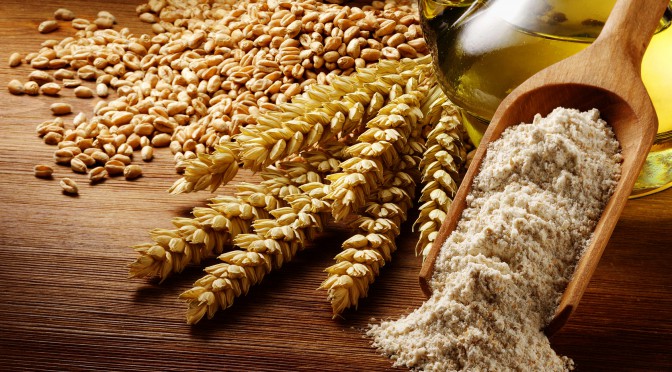
The best sources of riboflavin include brewer’s yeast, almonds, organ meats, whole grains, wheat germ, wild rice, mushrooms, soybeans, milk, yoghurt, eggs, broccoli, Brussels sprouts, and spinach.
Riboflavin is destroyed by light, so food should be stored away from light to protect its riboflavin content. While riboflavin is not destroyed by heat, it can be lost in water when foods are boiled or soaked. During cooking, roasting, and steaming preserves more riboflavin than frying or scalding.
Safety limits
The Council for Responsible Nutrition provides that the safe upper limit for vitamin B2 is 200 mg / day.
Sources
University of Maryland Medical Center