Overview
Biotin is part of the B complex group of vitamins. All B vitamins help the body to convert carbohydrates into fuel (glucose), which is used to produce energy. These B vitamins, often referred to as B complex vitamins, also help the body metabolize fats and protein. B complex vitamins are needed for healthy skin, hair, eyes, and liver. They also help the nervous system function properly.
Your body needs biotin to metabolize carbohydrates, fats, and amino acids, the building blocks of protein. Biotin is often recommended for strengthening hair and nails and it is found in many cosmetic products for hair and skin.
Like all B vitamins, it is a water-soluble vitamin, meaning the body does not store it. However, bacteria in the intestine can make biotin. It is also available in small amounts a number of foods. Biotin is also important for normal embryonic growth, making it a critical nutrient during pregnancy.
As our bodies can produce it, serious deficiency of this vitamin is rare. Symptoms include hair loss, dry scaly skin, cracking in the corners of the mouth (called cheilitis), swollen and painful tongue that is magenta in color (glossitis), dry eyes, loss of appetite, fatigue, insomnia, and depression. People who have been on IV drip for a long period of time, those taking antiseizure medication or antibiotics long-term, and people with conditions like Crohn’s disease that make it hard to absorb nutrients are more likely to be deficient in biotin.
Cradle Cap (Seborrheic Dermatitis)
Infants who don’t have enough biotin often develop this scaly scalp condition.
Diabetes
Preliminary research indicates that a combination of biotin and chromium might improve blood sugar control in some people with type 2 diabetes, but biotin alone is inadequate.
Dietary Sources
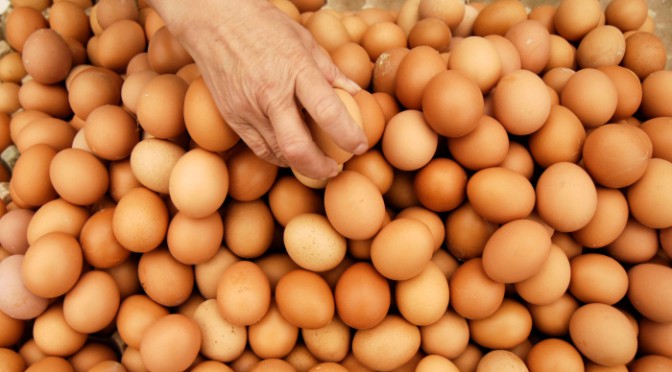
Biotin can be found in brewer’s yeast; cooked eggs, especially egg yolk; sardines; nuts (almonds, peanuts, pecans, walnuts) and nut butters; soybeans; other legumes (beans, blackeye peas); whole grains; cauliflower; bananas; and mushrooms.
Raw egg whites contain a protein called Avidin that interferes with the body’s absorption of biotin. Long term consumption of raw egg whites is not recommended for this, and health, reasons.
Food-processing techniques can destroy biotin. Less-processed versions of the foods listed above contain more biotin.
Upper limits
The Council for Responsible Nutrition sets the upper limit as 2.5 mg / day although the US FDA has never given public notice of receipt of any reports of adverse effects associated with biotin.
Source
University of Maryland Medical Center
Council for Responsible Nutrition