Overview
Calcium is the most abundant mineral in your body. It is essential for the development and maintenance of strong bones and teeth, where about 99% of the body’s calcium is found. In smaller amounts, it is essential to the proper function of the heart, nerves, muscles, and other body systems. It is probably best known for helping prevent osteoporosis.
Your body needs several other nutrients in order for calcium to be absorbed and used properly, including magnesium, phosphorous, and especially vitamins D and K.
The best way to get calcium is through food, although most people fail to absorb sufficient calcium for optimal health.
Postmenopausal women, people who consume large amounts of caffeine, alcohol, or soda, and those who take corticosteroid medications may need extra calcium supplements. More serious calcium deficiency can be found in people who don’t absorb enough calcium, as can happen with Crohn’s disease, celiac disease, and some intestinal surgeries.
Getting enough calcium may help prevent or treat the following conditions:
Osteoporosis
Your body needs calcium to help build and maintain healthy bones and strong teeth. People start to lose more bone than their bodies make in their 30s, and the process speeds up as they get older. Calcium, particularly in combination with vitamin D, helps prevent bone loss associated with menopause. It also helps prevent bone loss in older men. If you do not get enough calcium in your diet, your optimal health guide may recommend a supplement.
Hypoparathyroidism
People with this condition have underactive parathyroid glands. These four small glands sit on the four corners of the thyroid in the neck and produce a hormone that regulates calcium, phosphorous, and vitamin D levels in the body. People with this condition should follow a high-calcium, low-phosphorous diet .
Premenstrual Syndrome (PMS)
One large, well-designed study showed that women who took only 1,200 mg of calcium per day reduced their symptoms of PMS by 50%, including headache, moodiness, food cravings, and bloating. The reduction of pain-related symptoms by calcium is well documented and has been experienced by many clients.
High Blood Pressure
People who do not get enough calcium may be at higher risk for hypertension or high blood pressure. Calcium increases the flexibility of blood vessels and can contribute to a reduction in blood pressure. Calcium is also essential for the heart, as it contributes to muscle strength and flexibility.
High Cholesterol
Preliminary studies in animals and people suggest that calcium supplements, in the range of 1,500 – 2,000 mg per day, may help to lower cholesterol slightly. From these studies, it seems that calcium supplements, along with exercise and a healthy diet, may be better at keeping cholesterol at normal levels than at lowering already high cholesterol.
Rickets
Rickets is a condition of severely low calcium intake that causes softening and weakening of the bone in children. Although very rare in North America and Western Europe, where children drink a lot of milk, it still happens in many parts of the world. This condition can be caused by a vitamin D deficiency, vitamin K deficiency or inadequate intake of calcium.
Dietary Sources
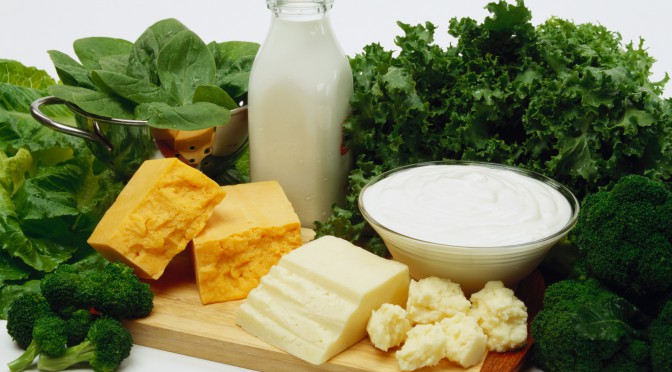
The richest food sources of calcium include cheeses, such as parmesan, Romano, gruyere, cheddar, American, mozzarella, and feta; low-fat dairy products, such as milk and yogurt; tofu; and blackstrap molasses. Some other good sources of calcium include almonds, brewer’s yeast, bok choy, Brazil nuts, broccoli, cabbage, dried figs, kelp, dark leafy greens (such as dandelion, turnip, collard, mustard, kale, and Swiss chard), hazelnuts, oysters, sardines, and canned salmon.
Foods that are often fortified with calcium, such as juices, soy milk, rice milk, tofu and cereals, are also good sources of this mineral.
Supplemental Upper Limits
The Council for Responsible Nutrition recommends an upper limit of 1,500 mg supplemental calcium per day in addition to normal dietary calcium.
A number of hypotheses for adverse effects of excess calcium intake have been investigated over the years, including kidney stones (nephrolithiasis) (Johnson et al. 1979), hypercalcemia with renal insufficiency (milk-alkali syndrome) (Junor and Catto 1976; Orwoll 1982), and harmful calcium interactions with other minerals (Spencer et al. 1965; Clarkson et al. 1967; Schiller et al., 1989). The evidence regarding a link to an increased risk of kidney stones with high calcium intake from foods and supplements is inconsistent, with some studies associating higher calcium intakes with decreased risk of kidney stones (Curhan et al. 1993).
Source
University of Maryland Medical Center