The Vitamin B family is responsible for a wide range of metabolic and immune system processes. Are you easily tired and irritated? Do you suffer from muscle pain or twitching? Hair loss? Do you regualry suffer from eczema or other skin rashes or ulcers around the mouth? Do you have an irregular unhealthy diet and a poor appetite? If so, you need some B!
Author: clifflui
Diabetes
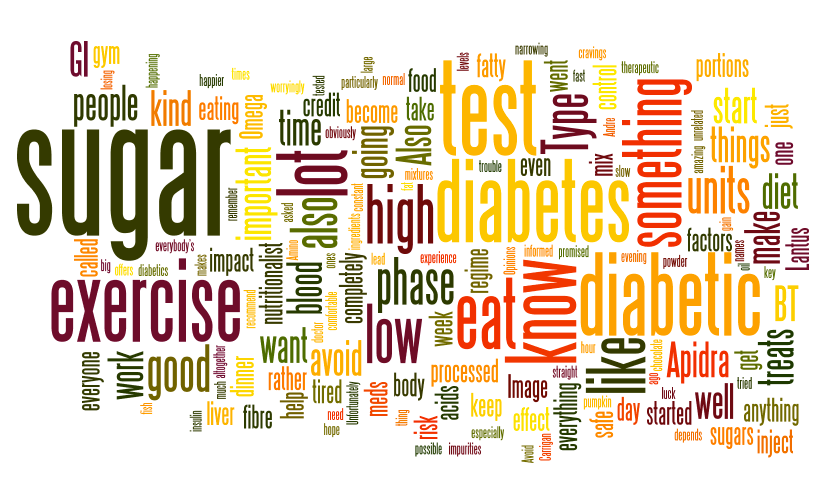
Diabetes is a disorder of metabolism – the way our bodies use digested food (primarily glucose) for growth and energy. There are three main types of diabetes: type 1, type 2, and gestational diabetes.
Blood sugar control is at the center of any diabetes treatment plan. High blood sugar, or hyperglycemia, is a major concern and can affect people with type 1 and type 2 diabetes.
A diet high in refined sugars forces our body to produce more insulin to regulate blood sugar levels. With more insulin in the system, cellular resistance to insulin increases. When the pancreas is unable to produce sufficient insulin to influence the cells to take up blood sugar, the person will require additional insulin in the form of drugs and injections.
High blood sugar levels is dangerous because it increases the viscosity of blood. Viscous blood cannot travel trough capillaries, especially near the eyes and the extremities, leading to blindness and amputation in extreme circumstances. As blood is filtered in the kidneys, the kidneys are especially at risk and diabetes regularly leads to kidney failure and dialysis. Diabetes with its associated viscous blood issues mean that risks commonly associated with constricted blood vessels such as heart disease and atherosclerosis will become more and more prevalent.
Given the risks, the control of blood sugar is important not only for diabetes patients; but also for preventing diabetes. It is important to reduce exposure to high glycemic index foods such as cane sugar, white rice and other refined carbohydrates. Fruit is not to be avoided strictly (given the abundance of enzymes and phytonutrients in them), but should be taken together with easily absorbed proteins to reduce the glycemic load.
A plan to reduce the risks and consequences of diabetes will involve sugar control, reducing insulin resistance through exercise and all the things needed to reduce risks of heart disease.
Applied nutrition
- Morning fruit
- Water soluble fibre
- Nutrition breakfast without body key
- Nutrition breakfast before meals
- Avoid carbohydrates for lunch and dinner – get the carbs from breakfast and protein powder before meals.
- Eat fibre first and couple proteins with sugar
- excercise (aerobic) to reduce sensitivity to insulin (20-30 minutes)
- Chromium
- Primrose to create prostaglandin
- Green tea extract
White rice 白米

Compared to brown rice or unprepared rice, white rice is almost pure sugar. It is digested immediately in the mouth by enzymes called amalayze, and converted to sugar. Without the fibre to contain the sugar, white rice has a high glycemic index/load. The carbohydrates in the rice is converted to glucose almost immediately and affects blood sugar levels quickly, leading to increased insulin response and cellular irritation. The increased glycemic load in the body leads to volatile and increasing body weight through fat generation.
A diet of white rice should be converted to a diet of complex carbs such as brown rice, pumpkin, taro, etc. If forced to eat white rice, such a meal should be preceded by finer and enzyme intake, such as through fruit (juice) and vegetables.
Complex carbs have substantial roughage to capture excess sugar and reduces the glycemic index of the relevant food.
White rice affects liver function as a result of its glycemic load. With impacted liver function, sugars cannot be effectively released, causing fatigue. This leads to a vicious cycle.
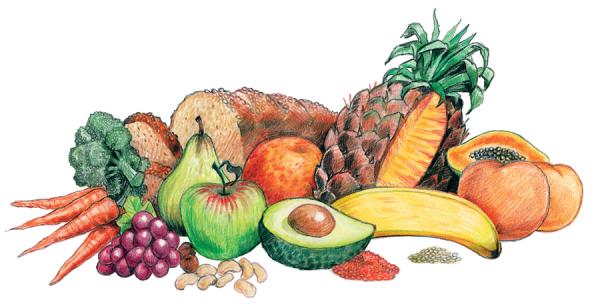
A gradual approach to healthy eating
A lot of us have tried various diets over the years, with little success. I remember trying about half a dozen different diets when I was trying to lose weight, and none of them stuck for more than a few weeks.
Why is that? A few reasons:
- You’re trying to change a lot of things at once — from learning new recipes to strategies for social situations to what to eat when you go out to what you should do when you’re craving a snack and much more. Making that many changes at once is a sure recipe for failure.
- You’re making huge changes all of a sudden. If you shift from unhealthy eating to healthy eating in one day, it will seem like a drastic change, and you won’t be used to it at all. This is very difficult, and if you’re struggling with something difficult, you’re probably not going to last more than a few weeks.
- You don’t really like your life with this new diet. You like the idea of being leaner, but you don’t like the diet, and you miss your old food. So it feels like a sacrifice, and you can only sacrifice for so long.
That’s a lot of powerful forces working against you, and that’s just the start. Having a spouse or friends who eat differently is difficult, and so is being surrounded by unhealthy food at home and work. What can we do?
What worked for me is gradual change. Let’s look at the why, then the how.
Why gradual change works
If you understand the reasons that people fail at trying to create a healthy lifestyle, then you can see why gradual is better:
- It’s not overwhelming to start if you start small and only do one small change at a time.
- With gradual change, you’re not putting too much on your plate, as you are with a huge change, and so you’re less likely to drop it as the weeks progress because you’re too busy and have other things to focus on.
- It’s not an abrupt change, so it doesn’t seem so difficult, and it quickly starts to feel normal. You’re pushing out of your comfort zone, but not too much.
- You never really feel like you’re sacrificing.
Those are some good reasons. Let’s do this.
How to transition to amazing health
Before we start the gradual process, it’s a good idea to know where we’re going, generally. This won’t be the exact place we end up, because things will change along the way — including your taste buds — but let’s take a big picture look at what we’re doing first.
A less helpful approach is to think of the perfectly healthy diet, and say that’s what you need to do. For example, if for some reason we said you should only eat protein and vegetables, all day every day, then any deviation would feel like failure. And you might think that’s not a very fun life, so you wouldn’t be likely to stick to it.
Instead, try to imagine a life that includes healthy food that you’d really enjoy — but allows for other indulgences too. For some, that might mean our amazing breakfast mix, then some indulgences for lunch and dinner (try a mix of protein, veggies, quinoa or brown rice), maybe carrots and hummus for a snack, some green tea later in the afternoon, and finally a martini after dinner. That’s not 100 percent healthy, but it’s pretty great, and it’s a picture you’d enjoy perhaps.
For others, you might want a sweet in the afternoon, or your tall latte in the morning, or French fries at dinner with friends a few times a week. Those are all allowable in a healthy lifestyle, if most of the other things you eat (and breakfast) are healthy. You want a picture of a healthy life that seems enjoyable to you.
Next, pick one small healthy change and stick with it for a week. Get some accountability, put a reminder on your fridge, plan ahead of time, do whatever it takes to make that small healthy change happen. If you are successful, pick another small change the next week, and repeat that every week you were successful.
What kind of small healthy changes can you pick each week? The list can be endless, but here are some examples:
- Eat a vegetable at dinner every day.
- Eat a vegetable at lunch every day.
- Eat a fruit for an afternoon snack.
- Have a fruit with breakfast.
- Cut back on alcoholic drinks at night.
- Don’t eat after 8 p.m.
- Cut back on the sugar you add to your coffee, milk tea or any drink to a minimal amount.
- Have a whole grain (quinoa, brown rice, etc.) with dinner instead of a white starch.
- Have hummus or raw nuts instead of those chips you eat for a snack.
- Have berries instead of the sweets you eat for a snack.
- Eat at home most nights this week, except PTC days (hahaha).
- Stick to the healthy organic breakfast mix at least 4 times a week.
You get the picture. If you don’t like these changes, come up with some of your own. If these seem too hard, make them easier.
One small change at a time means a dozen over a few months. That adds up to some amazing change over time, and it’s change that’s likely to last much longer.
Help with the habit
If you’d like help with the healthy eating habit, join us in Studio as we work on this habit in February.
Coaching is free lifelong provided that the coach’s instructions and feedback are accepted and followed:
- One free optional consultation each month
- A live forum of experts and healthy people for asking questions and getting help
- Accountability groups you can join to help you stick to the habit
Find a WellWise coach to form the healthy eating habit today.
Stress 壓力
Stress can come from any situation or thought. Interpretation of that scenario can lead to feelings of frustration, anger or anxiety. A healthy body is able to detect and respond to stress. Prolonged exposure to stress may lead to fluctuating responses or an insensitivity / hypersensitivity to stress, which may further lead to undesirable habits and conditions such as alcoholism, temper issues and depression.
Under sudden stress, adrenal glands release cortisone, deoxyribose, adulterine and IL-6. These require A, B2, C, E, pantothenic acid and linoleic acid.
Adrenaline accelerates the metabolism of proteins, fats and carbohydrates into energy for the body to use. This causes to body to excrete amino acids, potassium and phosphorous. It also depletes magnesium in muscle tissue and reduces calcium storage. It can destroy membranes (soft protein structures) if constantly released or becomes uncontrollable. Ulcers, breathing problems and eczema can result.
Cortisol ages brain cells and builds fat around the body’s midsection.
Interleukin-6 has direct effects on most cells in the body and is associated with many disorders, including diabetes, arthritis, cancer, osteoporosis, Alzheimer’s disease, periodontal disease and cardiovascular disease.
Our enzymes and bodily fluids responsible for the millions of actions our bodies undertake everyday are made from micronutrients and amino acids which are reduced by stress. With inadequate supplies, the body tries to make something similar, but which is actually a histamine, an agent which causes inflammatory responses. Histamine is useful where there is actual cell injury since it brings white blood cells and blood to the area. If histamine is produced randomly, it can be an unnecessary irritant.
Stress is regulated by the release of calcium. If there is inadequate supplies in the blood, calcium is forced from bone where 99% of it is stored. Therefore, long periods of stress can result in osteoporosis and arthritis. If that occurs, calcium is not a first priority. Vitamin C and glucosamine is. Vitamin C is needed together with amino acids to fulfil its potential.
Phosphorous comes from processed meats and foods. This mineral replaces calcium and magnesium in our bodies, leading to lower absorption of those essential minerals. If the body has inadequate magnesium, calcium gets stuck in membrane structures leading to splinters, stones and arthritis.
The body does not absorb nutrients well when under stress, which can cause a multitude of other problems. It promotes the growth of free radicals that can oxidise and damage body tissues, especially cell membranes. Stress suppresses the immune system and long term stress will increase susceptibility to illness and slow healing.
In short, stress is to be avoided as much as possible.
Possible signs and symptoms
Twitching or trembling, muscle tension, headaches, sweating, dry mouth, difficulty swallowing and abdominal pain. General fatigue, inability to sustain concentration and short tempers.
Applied nutrition
Nutrition serves to help the body respond properly to stress. It is also essential to target and reduce the source of stress, and to help interpret and discuss appropriate responses to the stress being experienced.
| Supplement | Benefit | Suggested Dosage |
|---|---|---|
| Vitamin B | All B vitamins are necessary for health and proper functioning of the nervous system. B5 is an anti-stress vitamin needed by the thymus gland | 5x twice daily |
| Vitamin C | Essential to adrenal gland function. Stress depletes the gland’s anti-stress hormones | 5x twice daily |
| Calcium + magnesium | Replaces minerals lost by stress. Deficiency is common in highly stressed persons and can result in anxiety, fear and even hallucinations | 4x twice daily |
| Q10 | Also includes taurine which increases energy and protects brain, heart and immune system | 2x twice daily |
| Multivitamin + phytonutrients | Supplements nutrition lost or prevented from absorption from stress | As directed |
| Selenium E | Disarms free radicals caused by stress, improves immunity | 1-2x daily |
Poor digestion 消化不良
The digestive system processes foods taken into the body and breaks it down to its useable components – carbohydrates, proteins, fats, vitamins and minerals. It also expels waste from the body. A diet with plenty of dietary fibre and water is essential to keep the digestive system functioning well. Running a poor digestive system for extended periods of time reduces overall nutritional intake leading to a multitude of other problems and can also cause cancers of the digestive system.
Fibre is found in whole grains, vegetables and fruit – essential to healthy gastrointestinal function. Leading health organisations recommend adults to consume 30-40 grams of dietary fibre per day, which is about 5-9 portions of fruits and vegetables. For urban populations, this is often not feasible and this is where supplements can assist.
Applied nutrition
It is often necessary to explore whether it is the intake of food or lack thereof that is the source of the problem. If the diet and lifestyle is changed for a particular condition but problems persist, then it may be useful to direct attention to the digestive system.
Chew food properly. Eat slower if you are a fast eater. Turn off all distractions when eating – this includes the TV, the phone and speaking too much. Avoid cold liquids and excess liquids when eating meals. Heat improves digestion generally.
Like a pipeline, you’ll need water. 8 glasses (250ml) is a good guideline, to be sipped throughout the day from morning to 7pm and not in large gulps.
| Supplement | Benefit | Suggested Dosage |
|---|---|---|
| Vitamin B | Helps metabolise sugars, fats and proteins to prevent the “food coma” | 5x twice daily |
| Insoluble fiber | Helps cleanse the colon by building bulk there and purging waste | 1 tablet half an hour before each meal |
| Water-soluble fiber | Helps maintain a probiotic-friendly environment and absorb excess sugars and oils | Mix 1-2 sticks into some of your 8 glasses of water |
| Calcium + magnesium | Regulates stomach and intestinal muscle activity | 2x twice daily |
Pneumonia 肺炎
Pneumonia is an inflammation of the lungs caused by an infection by bacteria, viruses or fungi. It can range from mild to severe depending on the type of organism causing it as well as age and underlying health.
Possible causes
Bacterial pneumonias tend to be the most common yet most serious cause of pneumonia in adults. Respiratory viruses are the most common cause of pneumonia in young children, peaking between the ages of 2 and 3. In some people, particularly the elderly and weak, bacterial pneumonia may follow influenza or even a common cold.
Many people contract pneumonia while staying in a hospital for other conditions. This tends to be more serious because the patient’s immune system is often impaired. In addition, there is a greater possibility of infection with antibiotic-resistant bacteria.
Applied nutrition
Generally to reduce inflammation, kill micro-organisms and repair the lungs.
| Supplement | Benefit | Suggested Dosage |
|---|---|---|
| Garlic | Protects against respiratory infections and destroys harmful bacteria | 3x twice daily |
| Multi-carotene | Enhances immunity and promotes repair of soft (lung) tissue | 4x twice daily |
| Vitamin C | Improve immune response and reduce inflammation | FLUSH + 5x three times daily |
| Protein powder | Tissue repair | At least 2 scoops twice daily |
| Vitamin B | Essential for production of antibodies, formation of red blood cells and healthy mucus membranes | 3x twice daily |
| Fish oil or primrose oil | Needed to build new lung tissue and reduce inflammation. Speeds recovery and boosts immunity | As directed on label |
| Multivitamin, mineral and phytonutrients | To supply essentials such as zinc, vitamin E, etc. to balance nutritional support | As directed on label |
Osteoporosis 骨質酥鬆
Osteoporosis is the loss of bone tissue resulting in thin, brittle bones that are prone to fracture. Peak bone mass is reached about age 35 for men and early 30s for women. Bone density decreases with age.
Maintaining adequate calcium intake along with physical activity will slow the process. For women, the menopausal years also pose a risk for developing osteoporosis and require increased calcium intake.
Applied nutrition
A diet that is low in calcium with a high intake of tea, coffee, soft drinks and alcohol with a lack of weight-bearing exercises will increase the risk of severe osteoporosis. Act to increase calcium intake and absorption and to also prevent arthritis risk.
High animal protein intake has been shown to reduce bone mass – as compared with people on vegetarian diets. Always strive to maximise plant protein intake to satisfy daily needs.
| Supplement | Benefit | Suggested Dosage |
|---|---|---|
| Calcium + magnesium | Necessary for maintaining strong bones | Women under 50, men under 65: 2x twice daily. Else 4x twice daily |
| Glucosamine | For bone and soft tissue development | As directed on label |
| Double X | Provides essential vitamin D, boron, copper, zinc and nutritional balance | As directed on label |
| Protein powder | protein and soy isoflavones promote bone mass | At least two scoops, twice daily (40g total) |
| Vitamin B | Provides strength to protein in bone tissue and promotes progesterone production | 3x twice daily |
| Multi-carotene | Strong antioxidant retards ageing process | 2x twice daily |
| Vitamin C | Important for collagen and connective tissue formation | 4-6x twice daily |
Migraines 頭疼
Migraines are a neurological disease and is the most common type of vascular headache. During an attack, the blood vessels in the brain dilate and then stimulate nerve endings nearby, causing (usually severe) pain.
Possible signs and symptoms
These attacks can last from 4 to 72 hours and are commonly accompanied by nausea. Migraines are an intense and disabling headache and can come with an upset stomach, hypersensitivity to light or sound.
Triggers
- Different foods such as cheese, chocolate, wines or citrus fruits can cause the attacks.
- Exercise, anxiety, stress, bright lights, loud noises, contraceptive pills and travel.
- Some women experience attacks more frequently around the time of their menstrual periods.
Applied nutrition
Generally to reduce inflammation, stress and pain.
| Supplement | Benefit | Suggested Dosage |
|---|---|---|
| Calcium + magnesium | Minerals help to reduce pain and regulate muscular tone and transmit nerve impulses. | Take liberally (up to 10) upon attack. Then 3x 3 times daily |
| Q10 | Increases blood flow to the brain and improves circulation | 2x twice daily |
| Fish oil or primrose oil | Anti-inflammatory agents needed for brain, cells and for fat metabolism | 2x twice daily |
| Vitamin B | Needed for a healthy nervous system | 3x twice daily |
| (Garlic) | A potent detoxifier | 3x twice daily |
| (Vitamin C) | Helps produce anti-stress hormones and improve immunity. Helps calcium absorption | 5x twice daily |
Motion Sickness 暈船/暈車等
Overview
Motion sickness occurs when motion causes the eyes, sensory nerves and the balancing mechanism of the ear to send conflicting signals to the brain, causing a loss of equilibrium. It is usually experienced in a moving vehicle (plane, boat, car). Anxiety, genetics, overeating, poor ventilation and travelling immediately after eating. Women are affected by this condition more frequently than men are. Elderly people and children under the age of two are usually not affected.
People suffering from motion sickess experience symptoms that range from headaches to queasiness to nausea and vomiting, and such symptoms may last for days if serious. Natural remedies have been used successfully in many cases.
Applied Nutrition
Massaging the space about 3 fingers’ width from the lines that connect your hand to your arm often stops motion sickness. Do not read or do visually-focussed things while on the vehicle. Close your eyes, breathe deeply or roll the windows down and get fresh air and focus on faraway things.
| Supplement | Benefit | Suggested Dosage |
|---|---|---|
| Calcium + magnesium | Acts as a nerve tonic | At least 3 tablets 1 hour before the trip |
| B complex | Helps to relieve nausea | At least 3 tabs before the trip and 3 tabs more 2 hours after the first dose |
Charcoal tablets are known to be effective – take 5 tablets one hour before travel.