Overview
Vitamin A has essential actions in areas of health including:
- helping cells reproduce normally — a process called “cellular differentiation.”
- good vision — the first sign of a vitamin A deficiency is often poor sight at night.
- proper development of an embryo and foetus.
- keeping skin and mucous membranes that line the nose, sinuses, and mouth healthy
- playing a role in immune system function, growth, bone formation, reproduction, and wound healing.
Beta-carotene is synthesised in humans to form vitamin A and vitamin A activity from high intakes of carotenes seems not to produce adverse levels of vitamin A. The safety of beta-carotene itself will be discussed separately from vitamin A.
Vitamin A is fat-soluble and readily accumulates in the liver. Therefore, if taken at high dosages on a daily basis, the vitamin can easily accumulate to dangerous levels in the liver and other tissues. However, in nutritionally deprived populations who do not have a steady, sufficient intake of vitamin A, the same high dosages may be necessary as occasional supplements in order to prevent the severe health consequences of vitamin A deficiency. This makes the safety of vitamin A highly dependent on both the daily level of intake and the duration of consumption.
Uses
Acne, Psoriasis, Eczema and other Skin disorders
Vitamin A can help clear up severe acne and psoriasis and have shown promise for treating other skin disorders, premature aging from the sun and warts.
Eye Disorders
Getting enough vitamin A in your diet is essential for good vision. Research shows that people who eat more foods with vitamin A are less likely to develop age-related macular degeneration. In addition, a large population study found that people who got high levels of vitamin A though their diets had a lower risk of developing cataracts. Vitamin A supplements may help slightly slow down the damage from retinitis pigmentosa, a hereditary disease that causes poor night vision.
Measles
For children who have vitamin A deficiency, supplements can reduce the severity and complications of measles. Children who are deficient in vitamin A are more likely to develop infections, including measles. In areas of the world where vitamin A deficiency is widespread or where at least 1% of those with measles die, the World Health Organization recommends giving vitamin A supplements to children who have measles. However, vitamin A does not seem to help unless a child has vitamin A deficiency. Never give a child high-dose vitamin A supplements without expert supervision.
Inflammatory Bowel Disease (IBD)
People with IBD, both ulcerative colitis and Crohn’s disease, may have a hard time absorbing all the nutrients their bodies need. Health care providers often recommend that people with IBD take a multivitamin, including vitamin A.
Cancer
Whether vitamin A can reduce the risk of cancer is not clear. People who eat a healthy diet with enough beta-carotene and other carotenoids from fruits and vegetables seem to have a lower risk of certain cancers, such as breast, colon, oesophageal, and cervical cancer. And some laboratory studies suggest that vitamin A and carotenoids may help fight certain types of cancer in test tubes.
One preliminary study suggests that a topical form of vitamin A may reduce abnormal growth of cells on the cervix, called cervical neoplasia.
Researchers are also investigating retinoids, a synthetic form of vitamin A, for skin cancer. People with certain types of skin cancer tend to have lower levels of vitamin A and beta-carotene in the blood.
Sources
Vitamin A, in the form of retinyl palmitate, is found in beef, calf, and chicken liver; eggs; fish liver oils; and dairy products, including whole milk, whole milk yoghurt, whole milk cottage cheese, butter, and cheese.
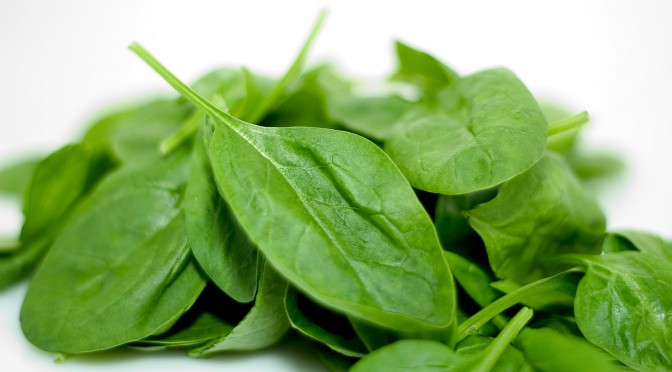
The body can also make vitamin A from beta-carotene and other carotenoids, fat-soluble nutrients found in fruits and vegetables that give them their colour. Most dark-green leafy vegetables and deep yellow/orange vegetables and fruits — sweet potatoes, carrots, pumpkin and other winter squashes, cantaloupe, apricots, peaches, and mangoes — contain substantial amounts of beta-carotene. By eating these beta-carotene rich foods, you can increase levels of vitamin A in your body.
Upper intake limits and risks
Regular intakes of excess vitamin A can lead to liver abnormalities (25,000 IU), bone fragility (27,000 IU) and birth defects (30,000 IU).
The Council for Responsible Nutrition considers supplements of 10,000 IU (3,000 µg) per day of preformed retinol to be safe for most people. As stated earlier, the recommendations for nutritionally replete populations must be considered separately from nutritionally deprived populations. In addition, even within nutritionally replete populations, intake from food sources can vary widely. Therefore, for people who consume high levels of vitamin-A-fortified foods or liver, a lower limit of 5,000 IU (1,500 µg) per day is recommended.