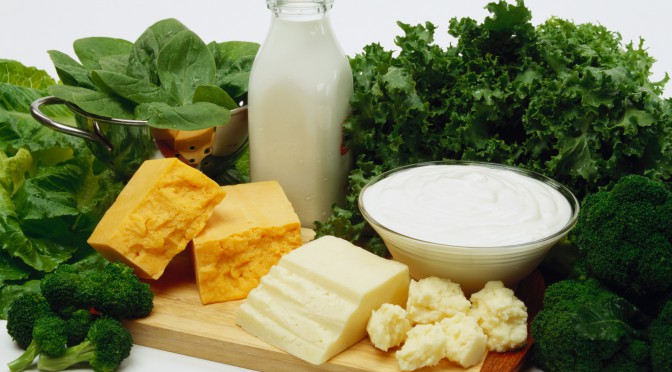
Osteoporosis 骨質酥鬆

Osteoporosis is the loss of bone tissue resulting in thin, brittle bones that are prone to fracture. Peak bone mass is reached about age 35 for men and early 30s for women. Bone density decreases with age.

Maintaining adequate calcium intake along with physical activity will slow the process. For women, the menopausal years also pose a risk for developing osteoporosis and require increased calcium intake.

Applied nutrition

A diet that is low in calcium with a high intake of tea, coffee, soft drinks and alcohol with a lack of weight-bearing exercises will increase the risk of severe osteoporosis. Act to increase calcium intake and absorption and to also prevent arthritis risk.

High animal protein intake has been shown to reduce bone mass – as compared with people on vegetarian diets. Always strive to maximise plant protein intake to satisfy daily needs.

Supplement Benefit Suggested Dosage
Calcium + magnesium Necessary for maintaining strong bones Women under 50, men under 65: 2x twice daily. Else 4x twice daily
Glucosamine For bone and soft tissue development As directed on label
Double X Provides essential vitamin D, boron, copper, zinc and nutritional balance As directed on label
Protein powder protein and soy isoflavones promote bone mass At least two scoops, twice daily (40g total)
Vitamin B Provides strength to protein in bone tissue and promotes progesterone production 3x twice daily
Multi-carotene Strong antioxidant retards ageing process 2x twice daily
Vitamin C Important for collagen and connective tissue formation 4-6x twice daily

Back Pain 背疼

The back is an intricately designed structure made up of bone, muscles, nerves and other soft tissue. The back is particularly vulnerable to injury and back pain can be disabling. Pain felt in the lower back may come from the spine, muscles, nerves or other structures in that region. It may also radiate from other areas like your mid or upper back, a hernia in the groin, or a problem in the testicles or ovaries.

Lower back pain is the number 2 reason why people in Hong Kong see their doctor – second only to colds and flu.

Possible causes

Small fractures in the spine due to osteoporosis; rupture/herniation/degeneration of the spinal disks; muscle spasms (very tense muscles that remain contracted); poor posture leading to misaligned vertebrae; strain or tears to the muscles or ligaments supporting the back; other medical conditions like fibromyalgia.

There is a particular risk if you: work in construction / logistics requiring heaving lifting or other spinal activity; have bad posture; are pregnant; are over 30 years of age; smoke; do not do regular exercise; are overweight; have arthritis or osteoporosis; have a low pain threshold; are stressed or depressed.

Back pain from organs in the pelvis or elsewhere include:
bladder infection; kidney stones; endometriosis; ovarian cancer; ovarian cycles; and testicular torsion.

Non-nutritional assistance

Back pain has contributory causes outside poor nutrition. Advice on posture, exercise and massage is necessary. If pain is a disturbance to normal life, consider referral to a registered chiropractor.

Applied nutrition

Proper nutrition will help sustain the benefits of chiropractic treatment, improvements to posture and exercise.

Supplement Benefit Suggested Dosage
Protein Helps tissue repair as it is a major component of bone tissue. 1-2 scoops,
3x daily
Omega 3 These fatty acids are necessary for health and cannot be generated by the body (essential fatty acids). These increase production and activity of anti-inflammatory prostaglandins. They may be of assistance in relieving symptoms associated with back pain. 1 tab,
2x daily
Calcium + magnesium Needed to prevent bone loss. Calcium is a natural tranquillizer. Together with magnesium, it relives anxiety, tension, nervousness and muscular spasms. 3 tabs,
3x daily
B Complex Needed for proper digestion, formation of cells, production of myelin and the protective coating around the nerves. Prevents nerve damage. 3 tabs,
3x daily
Parselenium E A powerful antioxidant that protects the joints from damage by free radicals. Increases joint mobility. Low levels of vitamin E is found in people with arthritis and Lupus. 1 tab,
2x daily
Vitamin C + bioflavonoids Powerful free radical destroyer and anti-inflammatory agent. Bioflavonoids enhance the activity of vitamin C. 3 tabs,
3x daily
Glucosamine HCI Very important to the formation of bones, tendons, ligaments, cartilage and synovial joint fluid. 3 tabs,
3x daily

Arthritis 风湿病

Arthritis is the inflammation of one or more joints. It causes painful joints, swelling and stiffness, which can be due to a variety of causes. There are also many different forms of arthritis – two of the most common being Osteoarthritis and Rheumatoid arthritis. Arthritis generally manifests itself in pain, swelling and inflammation at the affected joint.

Osteoarthritis is associated with ageing and can affect any joint. The cartilage of the affected joint is gradually worn down, eventually causing bone to rub against bone. Bony spurs develop on the unprotected bones causing pain and inflammation. There are other causes such as congenital effects, trauma and metabolic disorders. Joints appear larger, are stiff, painful and usually feel worse the more they are used throughout the day.

Rheumatoid arthritis is a systemic autoimmune disease which initially attacks the synovium, a connective tissue membrane that lines the cavity between joints and secretes a lubricating fluid.

Applied nutrition

Supplement Benefit Suggested Dosage
Protein A  high-quality protein supplement specially formulated wholly from plants. It supplies balanced amounts of the nine essential amino acids. 1-2 scoops,
3x daily
Omega 3 These fatty acids are necessary for health and cannot be generated by the body (essential fatty acids). These increase production and activity of anti-inflammatory prostaglandins. They may assist in relieving symptoms associated with arthritis 1 tab,
2x daily
Calcium + magnesium Needed to prevent bone loss. Calcium is a natural tranquilizer. Together with magnesium, it relives anxiety, tension, nervousness and muscular spasms. 3 tabs,
3x daily
B Complex  Needed for proper digestion, formation of cells, production of myelin and the protective coating around the nerves. Prevents nerve damage 3 tabs,
3x daily
Parselenium E A powerful antioxidant that protects the joints from damage by free radicals. Increases joint mobility. Low levels of vitamin E is found in people with arthritis and Lupus. 1 tab,
1x daily
Vitamin C + bioflavonoids Powerful free radical destroyer and anti-inflammatory agent.  Bioflavonoids enhance the activity of vitamin C. 3 tabs,
3x daily
Glucosamine HCI Very important to the formation of bones, tendons, ligaments, cartilage and synovial joint fluid. 3 tabs,
3x daily

Magnesium 鎂

Overview

Every organ in the body, especially the heart, muscles, and kidneys, needs the mineral magnesium. It also contributes to the makeup of teeth and bones. Most important, it activates enzymes, contributes to energy production, and helps regulate calcium levels, as well as copper, zinc, potassium, vitamin D, and other important nutrients in the body.

You can get magnesium from many foods. However, most people do not get as much magnesium as they should from their diet. Foods rich in magnesium include whole grains, nuts, and green vegetables. Green leafy vegetables are particularly good sources of magnesium.

Although you may not get enough magnesium from your diet, it’s rare to be severely deficient in magnesium. Certain medical conditions, however, can upset the body’s magnesium balance. For example, an intestinal virus that causes vomiting or diarrhea can cause temporary severe magnesium deficiencies. Some gastrointestinal diseases (such as irritable bowel syndrome or IBS and ulcerative colitis), diabetes, pancreatitis, hyperthyroidism (high thyroid hormone levels), kidney disease, and taking diuretics can lead to deficiencies. Too much coffee, soda, salt, or alcohol, as well as heavy menstrual periods, excessive sweating, and prolonged stress can also lower magnesium levels.

Symptoms of magnesium deficiency may include agitation and anxiety, restless leg syndrome (RLS), sleep disorders, irritability, nausea and vomiting, abnormal heart rhythms, low blood pressure, confusion, muscle spasm and weakness, hyperventilation, insomnia, poor nail growth, and even seizures.

Uses

Getting enough magnesium may enhance the effectiveness of conventional treatment for the following conditions:

Asthma
Several studies show that intravenous (IV) magnesium and magnesium inhaled through a nebulizer can help treat acute attacks of asthma in children 6 – 18 years of age, as well as adults. Low levels of magnesium may increase risk of developing asthma. A population based clinical study of more than 2,500 children 11 – 19 years of age found that low dietary magnesium intake may be associated with risk of asthma. The same was found in a group of more than 2,600 adults 18 – 70 years of age.

Depression
Inadequate magnesium appears to reduce serotonin levels, and antidepressants have been shown to raise brain magnesium. A 2008 study found that magnesium was as effective as the tricyclic antidepressants in treating depression among people with diabetes.

Diabetes
People who have type 2 diabetes often have low levels of magnesium in the blood. A large clinical study of over 2,000 people found that getting more magnesium in the diet may help protect against developing type 2 diabetes. Some studies suggest that taking magnesium supplements may help blood sugar control and insulin sensitivity in people with diabetes or prediabetes.

Noise related hearing loss
One study suggests that taking magnesium may prevent temporary or permanent hearing loss due to very loud noise.

Arrhythmia and heart failure
Magnesium is essential to heart health. Studies suggest a possible association between a modestly lower risk of CHD in men and increased magnesium intake. In one study of women, higher dietary intakes of magnesium were associated with a lower risk of sudden cardiac death. Magnesium helps maintain a normal heart rhythm and is sometimes given intravenously (IV) in the hospital to reduce the chance of atrial fibrillation and cardiac arrhythmia (irregular heartbeat). People with congestive heart failure (CHF) are often at risk for developing cardiac arrhythmia.  One well designed study found that taking magnesium orotate for a year reduced symptoms and improved survival rates compared to placebo in people with CHF. Magnesium and calcium work together at very precise ratios to ensure your heart functions properly.

Results of studies using magnesium to treat heart attack survivors, however, have been mixed. Some have reported lower death rates, as well as fewer arrhythmias and improved blood pressure when magnesium is used as part of the treatment following a heart attack.

High blood pressure
Eating low fat dairy products, along with lots of fruits and vegetables on a regular basis, is associated with lower blood pressure. All of these foods are rich in magnesium, as well as calcium and potassium. A large clinical study of more than 8,500 women found that a higher intake of dietary magnesium may decrease the risk of high blood pressure in women. A few studies also suggest that magnesium supplements may help lower blood pressure, although not all studies agree.

Migraine headache
A few studies suggest that taking magnesium supplements may help prevent migraine headaches. In addition, a few clinical studies suggest that magnesium supplements may shorten the duration of a migraine and reduce the amount of medication needed. People who have migraine headaches tend to have lower levels of magnesium compared to those with tension headaches or no headaches at all.

Some experts suggest combining magnesium with the herb feverfew along with vitamin B2 (riboflavin) may be helpful when you have a headache.

However, some studies suggest that magnesium sulfate may be less effective than prescription medications for preventing migraines in those who have 3 or more headaches per month. The only exception to this may be women who get migraine headaches around the time of their period.

Osteoporosis
Not getting enough calcium, vitamin D, magnesium, and other micronutrients play a role in the development of osteoporosis. To prevent osteoporosis, it is important to get enough calcium, magnesium, and vitamin D; to eat a well balanced diet; and to do weight bearing exercises throughout life.

Preeclampsia and eclampsia
Preeclampsia is characterized by a sharp rise in blood pressure during the third trimester of pregnancy. Women with preeclampsia may develop seizures, which is then called eclampsia. Magnesium, given in the hospital intravenously (IV), is the treatment of choice to prevent or treat seizures associated with eclampsia or to prevent complications from preeclampsia.

Premenstrual syndrome (PMS)
Scientific studies suggest that magnesium supplements may help relieve symptoms associated with PMS, particularly bloating, insomnia, leg swelling, weight gain, and breast tenderness. One study suggests that a combination of magnesium and vitamin B6 may work better than either one alone.

Dietary Sources

Rich sources of magnesium include tofu, legumes, whole grains, green leafy vegetables, wheat bran, Brazil nuts, soybean flour, almonds, cashews, blackstrap molasses, pumpkin and squash seeds, pine nuts, and black walnuts. Other good dietary sources of this mineral include peanuts, whole wheat flour, oat flour, beet greens, spinach, pistachio nuts, shredded wheat, bran cereals, oatmeal, bananas, and baked potatoes (with skin), chocolate, and cocoa powder. Many herbs, spices, and seaweeds supply magnesium, such as agar seaweed, coriander, dill weed, celery seed, sage, dried mustard, basil, cocoa powder, fennel seed, savory, cumin seed, tarragon, marjoram and poppy seed.

It is a good idea to take a B vitamin complex, or a multivitamin containing B vitamins, because the level of vitamin B6 in the body determines how much magnesium will be absorbed into the cells.

Upper Limits

The Council for Responsible Nutrition recommends an upper limit of 400 mg per day (supplemental) for healthy adults.

Sources

University of Maryland Medical Center
Council for Responsible Nutrition

Vitamin D

Overview

Vitamin D is a fat-soluble vitamin that plays a role in many important body functions. It is best known for working with calcium in your body to help build and maintain strong bones. Vitamin D is also involved in regulating the immune system and cells, where it may help prevent cancer.

In children, a vitamin D deficiency can cause rickets, a condition of soft, weak bones. In adults, many people may not be getting enough vitamin D, especially those who work in offices and the elderly. People with dark skin do not absorb sunlight as easily as those with light skin, so their risk of low vitamin D is even higher. One study of childbearing women in the Northern U.S. found that 54% of African-American women and 42% of white women had low levels of vitamin D.

That’s important because researchers are beginning to find that low levels of vitamin D may be linked to other diseases, including breast and colon cancer, prostate cancer, high blood pressure, depression, and obesity. The evidence doesn’t prove that too little vitamin D causes these conditions, but that people with higher levels of vitamin D are less likely to get these diseases.

Uses

Getting the proper amount of vitamin D may help prevent several serious health conditions.

Osteoporosis
Vitamin D helps your body absorb and use calcium, which you need for strong bones. Getting enough vitamin D throughout your life is important, since most bone is formed when you are young. For post-menopausal women who are at higher risk of osteoporosis, taking vitamin D along with calcium supplements can reduce the rate of bone loss, help prevent osteoporosis, and may reduce the risk of fractures.

Other Bone Disorders
Vitamin D protects against rickets and osteomalacia, softening of the bones in adults. Seniors who do not get direct sunlight for at least 45 minutes per week should make sure they get enough vitamin D through food supplements.

Prevention of Falls
People who have low levels of vitamin D are at greater risk of falling, and studies have found that taking a vitamin D supplement (700 – 1000 IU daily) may reduce that risk. In seniors, vitamin D may reduce falls by 22%.

Parathyroid Problems
The four parathyroid glands are located in the neck. They make parathyroid hormone (PTH), which helps the body store and use calcium and phosphorus. Vitamin D is often used to treat disorders of the parathyroid gland.

High Blood Pressure (Hypertension)
In population studies, people with low levels of vitamin D seem to have a high risk of developing high blood pressure than those with higher levels of vitamin D. However, there’s no proof that low levels of vitamin D cause high blood pressure in healthy people.

Evidence about vitamin D and blood pressure has been mixed. When people with kidney disease or an overactive parathyroid gland (hyperparathyroidism) develop high blood pressure, low levels of vitamin D may play a role. But another large study found that taking vitamin D and calcium supplements did not lower blood pressure significantly or reduce the risk of developing high blood pressure in postmenopausal women. If you have high blood pressure, you should follow your optimal health guide’s advice about whether vitamin D might help.

Cancer
There is some evidence that getting enough vitamin D may lower your risk of certain cancers, especially of the colon, breast, prostate, skin, and pancreas. This evidence is based mostly on studies of large groups of people

Some research suggests that postmenopausal women who take calcium and vitamin D supplements may have a lower risk of developing cancer of any kind compared to those who don’t take these supplements.

Seasonal Affective Disorder (SAD)
SAD is a type of depression that happens during the long dark winter months. It is often treated with photo (light) therapy. A few studies suggest that the mood of people with SAD improves when they take vitamin D directly.

Diabetes
Population studies find that people who have lower levels of vitamin D are more likely to develop type 2 diabetes than people who have higher levels of vitamin D. But there is no evidence that taking vitamin D can help prevent or treat type 2 diabetes.

One study found that giving infants doses of 2,000 IU per day of vitamin D during the first year of life may help protect them from developing type 1 diabetes when they are older.

Heart Disease
Population studies suggest that people with low levels of vitamin D have a greater risk of developing heart disease, including heart attack, stroke, and heart failure compared to people with higher levels of vitamin D. Low levels of vitamin D may increase the risk of calcium build-up in the arteries. Calcium build-up is part of the plaque that forms in arteries when you have atherosclerosis and can lead to a heart attack or stroke. Other population studies show that people with lower levels of vitamin D are more likely to have risk factors for heart disease, including high blood pressure, type 2 diabetes, obesity, and high cholesterol.

Obesity
Population studies have found that people who have lower levels of vitamin D are more likely to be obese compared to people with higher levels of vitamin D. One high-quality study also found that postmenopausal women who took 400 IU vitamin D plus 1,000 mg calcium daily for 3 years were less likely to gain weight than those who took placebo, although the weight difference was small. Women who were not getting enough calcium to start with (less than 1,200 mg per day) saw the most benefit.

Overall Mortality
Population studies suggest that people with lower levels of vitamin D have a higher risk of dying from any cause.

Dietary and other natural sources

Vitamin D has been described as a sunshine-dependent vitamin. Some dietary vitamin D2 comes from plants, but the largest contribution to dietary intake of vitamin D is the vitamin D3 in fish liver oils, eggs, milk, and liver. Milk is commonly fortified with 10 µg (400 IU) of vitamin D3 per quart. Extremely high potency (40,000 to 50,000 IU) products—sold as prescription or sometimes over the counter—often consist of vitamin D2. Most vitamin D dietary supplements contain vitamin D3. The conversion of international units to metric weights is extremely simple for both vitamin D2 and D3: 1 µg equals 40 IU; 0.025 µg equals 1 IU.

Vitamin D3 (or D2) from foods, or vitamin supplements is inert and must undergo two hydroxylation reactions in the body for activation. The first occurs in the liver and the second in the kidneys, which converts the vitamin D into calcitrol As calcitriol, vitamin D is fundamentally involved in the formation of bone, and so its deficiency can lead to rickets in children or osteoporotic changes in adults.

Although the vitamin can be synthesised in the body with sufficient exposure to sunlight or another ultraviolet (UV) light source, most people are not exposed to such UV light in consistent and sufficient quantities. No extra vitamin D is required when skin exposure to UV light is ample; but without such exposure, a person is completely dependent on ingested vitamin D.

Although adequate UV light exposure can provide sufficient vitamin D, many elderly persons have limited sunlight exposure, inadequate dietary sources, and a decreased ability to activate vitamin D, making them susceptible to vitamin D deficiency (Gloth et al. 1995; Holick 1999). Elderly people are likely to have substantially increased needs for dietary vitamin D because of their decreased mobility and exposure to sun and decreased activation in the liver and kidneys.

Thus, the nutritional need for dietary vitamin D depends on the biosynthesis in the skin, which in turn is influenced by time of exposure to sunlight, season (sun intensity and clothing), latitude, skin pigmentation, and the use of sunscreens.

Safety Considerations and limits

The formation of vitamin D in the skin is slowed once dietary vitamin D intakes are sufficient and blood levels of the activated forms are high. Therefore, excess exposure to sunlight does not lead to vitamin D toxicity (Holick 1999; Hathcock et al. 2007).

Dietary vitamin D can, however, produce toxic effects when consumed in very large quantities, especially over an extended period of time. Studies have shown that subjects with abnormally high levels of vitamin D intake can suffer from a wide range of signs and symptoms, from dehydration to permanent mineral deposits in soft tissues, including muscle, heart, kidney, and cartilage. Continued intake of toxic levels can have severe and persistent adverse consequences.

The traditional—but not data-based—conservatism of vitamin D recommendations is rapidly being corrected to evidence-based assessments. These assessments indicate that larger amounts are now considered safe for most persons. The Council for Responsible Nutrition recommends upper limits for  vitamin D supplementation of 250 µg (4,000 IU) per day.

Calcium

Overview

Calcium is the most abundant mineral in your body. It is essential for the development and maintenance of strong bones and teeth, where about 99% of the body’s calcium is found. In smaller amounts, it is essential to the proper function of the heart, nerves, muscles, and other body systems. It is probably best known for helping prevent osteoporosis.

Your body needs several other nutrients in order for calcium to be absorbed and used properly, including magnesium, phosphorous, and especially vitamins D and K.

The best way to get calcium is through food, although most people fail to absorb sufficient calcium for optimal health.

Postmenopausal women, people who consume large amounts of caffeine, alcohol, or soda, and those who take corticosteroid medications may need extra calcium supplements. More serious calcium deficiency can be found in people who don’t absorb enough calcium, as can happen with Crohn’s disease, celiac disease, and some intestinal surgeries.

Getting enough calcium may help prevent or treat the following conditions:

Osteoporosis

Your body needs calcium to help build and maintain healthy bones and strong teeth. People start to lose more bone than their bodies make in their 30s, and the process speeds up as they get older. Calcium, particularly in combination with vitamin D, helps prevent bone loss associated with menopause. It also helps prevent bone loss in older men. If you do not get enough calcium in your diet, your optimal health guide may recommend a supplement.

Hypoparathyroidism

People with this condition have underactive parathyroid glands. These four small glands sit on the four corners of the thyroid in the neck and produce a hormone that regulates calcium, phosphorous, and vitamin D levels in the body. People with this condition should follow a high-calcium, low-phosphorous diet .

Premenstrual Syndrome (PMS)

One large, well-designed study showed that women who took only 1,200 mg of calcium per day reduced their symptoms of PMS by 50%, including headache, moodiness, food cravings, and bloating. The reduction of pain-related symptoms by calcium is well documented and has been experienced by many clients.

High Blood Pressure

People who do not get enough calcium may be at higher risk for hypertension or high blood pressure. Calcium increases the flexibility of blood vessels and can contribute to a reduction in blood pressure.  Calcium is also essential for the heart, as it contributes to muscle strength and flexibility.


High Cholesterol

Preliminary studies in animals and people suggest that calcium supplements, in the range of 1,500 – 2,000 mg per day, may help to lower cholesterol slightly. From these studies, it seems that calcium supplements, along with exercise and a healthy diet, may be better at keeping cholesterol at normal levels than at lowering already high cholesterol.

Rickets

Rickets is a condition of severely low calcium intake that causes softening and weakening of the bone in children. Although very rare in North America and Western Europe, where children drink a lot of milk, it still happens in many parts of the world. This condition can be caused by a vitamin D deficiency, vitamin K deficiency or inadequate intake of calcium.

Dietary Sources

The richest food sources of calcium include cheeses, such as parmesan, Romano, gruyere, cheddar, American, mozzarella, and feta; low-fat dairy products, such as milk and yogurt; tofu; and blackstrap molasses. Some other good sources of calcium include almonds, brewer’s yeast, bok choy, Brazil nuts, broccoli, cabbage, dried figs, kelp, dark leafy greens (such as dandelion, turnip, collard, mustard, kale, and Swiss chard), hazelnuts, oysters, sardines, and canned salmon.

Foods that are often fortified with calcium, such as juices, soy milk, rice milk, tofu and cereals, are also good sources of this mineral.

Supplemental Upper Limits

The Council for Responsible Nutrition recommends an upper limit of 1,500 mg supplemental calcium per day in addition to normal dietary calcium.

A number of hypotheses for adverse effects of excess calcium intake have been investigated over the years, including kidney stones (nephrolithiasis) (Johnson et al. 1979), hypercalcemia with renal insufficiency (milk-alkali syndrome) (Junor and Catto 1976; Orwoll 1982), and harmful calcium interactions with other minerals (Spencer et al. 1965; Clarkson et al. 1967; Schiller et al., 1989). The evidence regarding a link to an increased risk of kidney stones with high calcium intake from foods and supplements is inconsistent, with some studies associating higher calcium intakes with decreased risk of kidney stones (Curhan et al. 1993).

Source

University of Maryland Medical Center