High blood pressure 高血压

Blood pressure is the force applied against the walls of the arteries as the heart pumps blood through the body. The pressure is determined by the force of the heart, the amount of blood pumped and the size and resistance of the arteries. The force (blood pressure) may be higher when arteries are blocked by atherosclerosis, when blood is thicker (e.g. less water content or higher salt content) or when there are abnormal hormone levels.

What do blood pressure number indicate?

Diastolic Systolic  Pulse pressure
Normal range 60-80 100-130 35-45

Blood pressure readings are given in two numbers. The top number is the maximum pressure your heart exerts while beating (systolic pressure), and the bottom number is the amount of pressure in your arteries between beats (diastolic pressure). The numeric difference between your systolic and diastolic blood pressure is called your pulse pressure. For example, if your resting blood pressure is 120/80 millimetres of mercury (mm Hg), your pulse pressure is 40 — which is considered a normal and healthy pulse pressure.

The pulse pressure may be abnormal even if the absolute blood pressure readings are within the ‘normal’ range.

  • If the pulse pressure is below 40, it may indicate low heart power and/or very viscous blood (which is typical for diabetes patients)
  • If the pulse pressure is above 40, it may indicate constricted arteries and atherosclerosis.

Possible signs and symptoms

Usually, no symptoms are present. Occasionally, there may be a mild headache. If, under high blood pressure, the headache is severe or symptoms below are experienced, please advise visiting the doctor immediately:。 Other symptoms include: fatigue, confusion, vision changes, crushing chest pain, heart failure, blood in urine, nosebleed, irregular heartbeat or buzzing in the ears.

Applied nutrition

Please refer to the section: applied nutrition for heart disease.

Supplement Benefit Suggested Dosage

Heart Palpitations 心悸

Palpitations are heartbeat sensations that feel like pounding or racing. You may simply have an unpleasant awareness of your own heartbeat.

Palpitations are often not serious. However, it depends on whether or not the sensations represent an abnormal heart rhythm. You are more likely to have an abnormal heart rhythm if you have: a known heart problem; material risk factors for heart disease; an abnormal heart valve; or an electrolyte deficiency, e.g. low potassium levels.

Applied nutrition

Supplement Benefit Suggested Dosage
Protein Essential amino acids help repair body tissues 1 scoop,
3x daily
CoQ10 Improves heart muscle oxygenation and may help prevent heart attacks and follow-on attacks 2 tabs,
2x daily
Omega 3 Important for circulation and lowering blood pressure. Protects heart muscle cells and reduces tryglyceride levels in the blood 2 tabs,
3x daily
Garlic + licorice Beneficial for the heart, promotes circulation and effective in reducing high blood pressure 2 tabs,
3x daily
B Complex Important for circulatory function and lowering blood pressure. B6 reduces water content in tissues to relieve pressure on the cardiovascular system 3 tabs,
3x daily
Calcium + magnesium Deficiencies have been linked to high blood pressure. If taking high blood pressure drugs, take extra potassium to counteract depletion of calcium. Important for maintaining proper heart rhythm and blood pressure 2 tabs,
3x daily
Vitamin C + bioflavonoids Improves adrenal function, reduces blood-clotting tendencies 3 tabs,
3x daily
Lecithin E Powerful antioxidants that improve circulation and thins the blood, reducing clotting risk. Lecithin also reduces plaque buildup in the blood vessels 3 tabs,
3x daily
Ginkgo biloba + ginseng Improves circulation 2 tabs,
2x daily
Green tea extract Lowers cholesterol and lipid levels As indicated

Atherosclerosis 动脉粥样硬化

Atherosclerosis is a common disorder of the arteries. Fat, cholesterol and other substances accumulate in the walls of the arteries and form “atheromas” or plaque. Oxidation of these substances contribute to the accumulation.

Eventually, this fatty tissue can erode the wall of the artery, diminish its elasticity and interfere with blood flow. Plaques can also rupture/break off, causing debris to migrate downstream within an artery. This is a common cause of heart attack and stroke.

Clots can also form around the plaque deposits, further interfering with blood flow and posing additional danger if they break off and travel to the heart, lungs and brain. Many doctors now suspect that people with a high inflammation risk are at risk from atherosclerosis.

Risk factors for atherosclerosis include: smoking, high blood pressure, excessive dietary fats, poor blood cholesterol levels, diabetes, cerebrovascular disease, peripheral vascular disease, and kidney disease.

Applied nutrition

See “heart attack / stroke”. The theme is to reduce inflammatory risk, increase anti-oxidative nutritional intake, reduce fat and cholesterol and slowly increase exercise levels.

Heart Disease 心脏病

A heart attack occurs when an area of heart muscle dies or is permanently damaged because of inadequate oxygen supply.

A stroke or “brain attack” occurs when blood supply to the brain is interrupted and brain tissue dies. Victims can suffer from lifelong disabilities, speech difficulties, paralysis and even death.

Possible causes

Most heart attacks are caused by a blood clot that blocks one of the coronary arteries (blood vessels that bring blood and oxygen to the heart muscle). The clot usually forms in a coronary artery that has been narrowed due to atherosclerosis (inflammation and/or cholesterol buildup).

A clot in the coronary artery interrupts the flow of blood and oxygen to the heart muscle, leading to the death of heart cells in that area. The damaged heart muscle loses its ability to contract and the remaining heart muscle needs to work hard to compensate for that weakened area. This overwhelming stress can trigger a heart attack.

Risk factors for coronary artery disease and heart attack include: smoking, high blood pressure, excessive dietary fats, poor blood cholesterol levels, diabetes, being male, being over 40 and heredity.

In many cases, the pain may be subtle or even completely absent (silent heart attack), especially in the elderly and those with diabetes. Often the pain radiates from the chest to the arms, shoulders, neck, jaw, abdomen and back.

The pain typically lasts for over 20 minutes and is not fully relieved by rest. Other symptoms include: shortness of breath; coughing; dizziness; fainting; nausea/vomiting; sweating; and a feeling of impending doom.

Applied nutrition

Supplement Benefit Suggested Dosage
Protein Essential amino acids help repair body tissues 1 scoop,
3x daily
CoQ10 Improves heart muscle oxygenation and ,may help prevent heart attacks and follow-on attacks 2 tabs,
2x daily
Omega 3 Important for circulation and lowering blood pressure. Protects heart muscle cells and reduces tryglyceride levels in the blood 2 tabs,
3x daily
Garlic + licorice Beneficial for the heart, promotes circulation and effective in reducing high blood pressure 2 tabs,
3x daily
B Complex Important for circulatory function and lowering blood pressure. B6 reduces water content in tissues to relieve pressure on the cardiovascular system 3 tabs,
3x daily
Calcium + magnesium Deficiencies have been linked to high blood pressure. If taking high blood pressure drugs, take extra potassium to counteract depletion of calcium. Important for maintaining proper heart rhythm and blood pressure 2 tabs,
3x daily
Vitamin C + bioflavonoids Improves adrenal function, reduces blood-clotting tendencies 3 tabs,
3x daily
Lecithin E Powerful antioxidants that improve circulation and thins the blood, reducing clotting risk. Lecithin also reduces plaque buildup in the blood vessels 3 tabs,
3x daily
Ginkgo biloba + ginseng Improves circulation 2 tabs,
2x daily
Green tea extract Lowers cholesterol and lipid levels As indicated

Cholesterol

Cholesterol is a soft, waxy substance found in all parts of the body. It is made by the body and also obtained from animal products in the diet.

Lipid disorders occur when one has excessive fatty substances in the blood. These substances include cholesterol and triglycerides. Having a lipid disorder makes one more likely to develop atherosclerosis and heart disease.

Functions

HDL is used to make bile, which helps in transporting fat and liver detoxification. This friendly scavenger also cruises the bloodstream. As it does, it removes harmful bad cholesterol from where it doesn’t belong. High HDL levels reduce the risk for heart disease — but low levels increase the risk.

LDL collects in the walls of your blood vessels, where it can cause blockages. Higher LDL levels put you at greater risk for a heart attack from a sudden blood clot that forms there.

Triglycerides are a type of fat (lipid) found in your blood. When you eat, your body converts any calories it doesn’t need to use right away into triglycerides. The triglycerides are stored in your fat cells. Later, hormones release triglycerides for energy between meals. If you regularly eat more calories than you burn, particularly “easy” calories like carbohydrates and fats, you may have high triglycerides (hypertriglyceridemia).

Possible causes

Cholesterol can be bound to fat at different densities. Two main types are:

  • Low-density lipoproteins – LDL – bad cholesterol, to be kept low.
  • High-density lipoproteins – HDL – good cholesterol, to be kept high.

High bad cholesterol and other lipid disorders can be associated with:
fatty diets; diabetes; hypothyroidism; Cushing’s syndrome and kidney failure; certain medication including birth control pills, estrogen, corticosteroids, certain diuretics and beta-blockers; lifestyle factors including excessive alcohol consumption and lack of exercise leading to obesity.

People who smoke and also have high cholesterol are at even greater risk since the cholesterol in the blood are rapidly hardened through oxidation.

Cholesterol levels

Good Borderline Caution
Total Cholesterol < 200 200 – 239 240+
HDL > 45 35 – 44 < 35
LDL < 130 130 – 159 160+
Ratio ≤ 3.4 5.5 – 7.4 ≥ 7.5
Triglycerides < 200 200 – 399 400+

Applied nutrition

Recommend to reduce fat intake, trans-fat intake, high-heat treated oils and fats. Increase deep sea fish intake (caution on tuna), increase fiber intake, lose weight and increase physical activity.

Supplement Benefit Suggested Dosage
Protein Supplies balanced amounts of nine essential amino acids 1 scoop,
3x daily
Coenzyme Q10 Improves heart muscle oxygenation and may help prevent heart attacks. 2 tabs,
2x daily
Omega 3 Important for circulation and lowering blood pressure. Protects heart muscle cells and reduces triglycerides level in the blood. Thins the blood. 2 tabs,
3x daily
Garlic + licorice Beneficial for the heart, promotes circulation and effective in reducing blood pressure. 2 tabs,
3x daily
Calcium + magnesium Deficiencies have been linked to high blood pressure. If taking high blood pressure medication, take extra potassium to counteract the depletion of calcium. Important for maintaining proper heart rhythm and blood pressure. 2 tabs,
3x daily
Fiber Bulk forming and increases water content of stool, detoxifying the colon and cleansing the breath. 3 tabs,
3x daily
B Complex Important for circulation function and lowering blood pressure. B6 reduces water in tissues to relieve pressure on the cardiovascular system. 3 tabs,
3x daily
Vitamin E + lecithin Powerful antioxidants that improve circulation and thins the blood, reducing clotting risk. Lecithin also aids in blood-thinning. 3 tabs,
3x daily
Vitamin C + bioflavonoids Powerful free radical destroyer and anti-inflammatory agent. Bioflavonoids enhance the activity of vitamin C. 3 tabs,
3x daily
Green tea extract Delivers catechins and theaflavins in synergy with phytonutrients to help maintain healthy cholesterol levels. 2 tabs,
2x daily


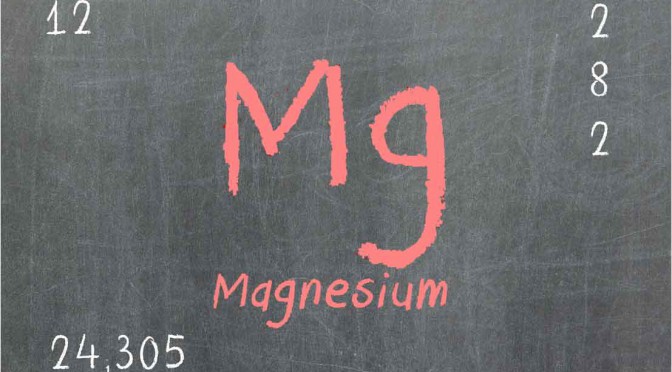
Magnesium 鎂

Overview

Every organ in the body, especially the heart, muscles, and kidneys, needs the mineral magnesium. It also contributes to the makeup of teeth and bones. Most important, it activates enzymes, contributes to energy production, and helps regulate calcium levels, as well as copper, zinc, potassium, vitamin D, and other important nutrients in the body.

You can get magnesium from many foods. However, most people do not get as much magnesium as they should from their diet. Foods rich in magnesium include whole grains, nuts, and green vegetables. Green leafy vegetables are particularly good sources of magnesium.

Although you may not get enough magnesium from your diet, it’s rare to be severely deficient in magnesium. Certain medical conditions, however, can upset the body’s magnesium balance. For example, an intestinal virus that causes vomiting or diarrhea can cause temporary severe magnesium deficiencies. Some gastrointestinal diseases (such as irritable bowel syndrome or IBS and ulcerative colitis), diabetes, pancreatitis, hyperthyroidism (high thyroid hormone levels), kidney disease, and taking diuretics can lead to deficiencies. Too much coffee, soda, salt, or alcohol, as well as heavy menstrual periods, excessive sweating, and prolonged stress can also lower magnesium levels.

Symptoms of magnesium deficiency may include agitation and anxiety, restless leg syndrome (RLS), sleep disorders, irritability, nausea and vomiting, abnormal heart rhythms, low blood pressure, confusion, muscle spasm and weakness, hyperventilation, insomnia, poor nail growth, and even seizures.

Uses

Getting enough magnesium may enhance the effectiveness of conventional treatment for the following conditions:

Asthma
Several studies show that intravenous (IV) magnesium and magnesium inhaled through a nebulizer can help treat acute attacks of asthma in children 6 – 18 years of age, as well as adults. Low levels of magnesium may increase risk of developing asthma. A population based clinical study of more than 2,500 children 11 – 19 years of age found that low dietary magnesium intake may be associated with risk of asthma. The same was found in a group of more than 2,600 adults 18 – 70 years of age.

Depression
Inadequate magnesium appears to reduce serotonin levels, and antidepressants have been shown to raise brain magnesium. A 2008 study found that magnesium was as effective as the tricyclic antidepressants in treating depression among people with diabetes.

Diabetes
People who have type 2 diabetes often have low levels of magnesium in the blood. A large clinical study of over 2,000 people found that getting more magnesium in the diet may help protect against developing type 2 diabetes. Some studies suggest that taking magnesium supplements may help blood sugar control and insulin sensitivity in people with diabetes or prediabetes.

Noise related hearing loss
One study suggests that taking magnesium may prevent temporary or permanent hearing loss due to very loud noise.

Arrhythmia and heart failure
Magnesium is essential to heart health. Studies suggest a possible association between a modestly lower risk of CHD in men and increased magnesium intake. In one study of women, higher dietary intakes of magnesium were associated with a lower risk of sudden cardiac death. Magnesium helps maintain a normal heart rhythm and is sometimes given intravenously (IV) in the hospital to reduce the chance of atrial fibrillation and cardiac arrhythmia (irregular heartbeat). People with congestive heart failure (CHF) are often at risk for developing cardiac arrhythmia.  One well designed study found that taking magnesium orotate for a year reduced symptoms and improved survival rates compared to placebo in people with CHF. Magnesium and calcium work together at very precise ratios to ensure your heart functions properly.

Results of studies using magnesium to treat heart attack survivors, however, have been mixed. Some have reported lower death rates, as well as fewer arrhythmias and improved blood pressure when magnesium is used as part of the treatment following a heart attack.

High blood pressure
Eating low fat dairy products, along with lots of fruits and vegetables on a regular basis, is associated with lower blood pressure. All of these foods are rich in magnesium, as well as calcium and potassium. A large clinical study of more than 8,500 women found that a higher intake of dietary magnesium may decrease the risk of high blood pressure in women. A few studies also suggest that magnesium supplements may help lower blood pressure, although not all studies agree.

Migraine headache
A few studies suggest that taking magnesium supplements may help prevent migraine headaches. In addition, a few clinical studies suggest that magnesium supplements may shorten the duration of a migraine and reduce the amount of medication needed. People who have migraine headaches tend to have lower levels of magnesium compared to those with tension headaches or no headaches at all.

Some experts suggest combining magnesium with the herb feverfew along with vitamin B2 (riboflavin) may be helpful when you have a headache.

However, some studies suggest that magnesium sulfate may be less effective than prescription medications for preventing migraines in those who have 3 or more headaches per month. The only exception to this may be women who get migraine headaches around the time of their period.

Osteoporosis
Not getting enough calcium, vitamin D, magnesium, and other micronutrients play a role in the development of osteoporosis. To prevent osteoporosis, it is important to get enough calcium, magnesium, and vitamin D; to eat a well balanced diet; and to do weight bearing exercises throughout life.

Preeclampsia and eclampsia
Preeclampsia is characterized by a sharp rise in blood pressure during the third trimester of pregnancy. Women with preeclampsia may develop seizures, which is then called eclampsia. Magnesium, given in the hospital intravenously (IV), is the treatment of choice to prevent or treat seizures associated with eclampsia or to prevent complications from preeclampsia.

Premenstrual syndrome (PMS)
Scientific studies suggest that magnesium supplements may help relieve symptoms associated with PMS, particularly bloating, insomnia, leg swelling, weight gain, and breast tenderness. One study suggests that a combination of magnesium and vitamin B6 may work better than either one alone.

Dietary Sources

Rich sources of magnesium include tofu, legumes, whole grains, green leafy vegetables, wheat bran, Brazil nuts, soybean flour, almonds, cashews, blackstrap molasses, pumpkin and squash seeds, pine nuts, and black walnuts. Other good dietary sources of this mineral include peanuts, whole wheat flour, oat flour, beet greens, spinach, pistachio nuts, shredded wheat, bran cereals, oatmeal, bananas, and baked potatoes (with skin), chocolate, and cocoa powder. Many herbs, spices, and seaweeds supply magnesium, such as agar seaweed, coriander, dill weed, celery seed, sage, dried mustard, basil, cocoa powder, fennel seed, savory, cumin seed, tarragon, marjoram and poppy seed.

It is a good idea to take a B vitamin complex, or a multivitamin containing B vitamins, because the level of vitamin B6 in the body determines how much magnesium will be absorbed into the cells.

Upper Limits

The Council for Responsible Nutrition recommends an upper limit of 400 mg per day (supplemental) for healthy adults.

Sources

University of Maryland Medical Center
Council for Responsible Nutrition
Vitamin B12 (cobalamin)

Overview

Vitamin B12, also called cobalamin, is one of 8 B vitamins. All B vitamins help the body convert carbohydrates into fuel (glucose), which is used to produce energy. These B vitamins, often referred to as B complex vitamins, also help the body use fats and protein. B complex vitamins are needed for healthy skin, hair, eyes, and liver. They also help the nervous system function properly. All B vitamins are water-soluble, meaning that the body does not store them and must be replenished every day.

Vitamin B12 is an especially important vitamin for maintaining healthy nerve cells, and it helps in the production of DNA and RNA, the body’s genetic material. Vitamin B12 also works closely with vitamin B9 (also called folate or folic acid) to help make red blood cells and to help iron work better in the body. Folate and B12 work together to produce S-adenosylmethionine (SAMe), a compound involved in immune function and mood.

Vitamins B12, B6, and B9 work together to control blood levels of the amino acid homocysteine. High levels of homocysteine are associated with heart disease.

Defficiency

Mild defficiency is relatively common with unwholesome diets and low stomach acid levels, which the body needs to absorb B12. Low levels of B12 can cause a range of symptoms including fatigue, shortness of breath, diarrhoea, nervousness, numbness, or tingling sensation in the fingers and toes. Severe deficiency of B12 causes nerve damage. Others at risk for B12 deficiency include:

  • Vegans, vegetarians who also don’t eat dairy or eggs – vitamin B12 is found only in animal products
  • People with problems absorbing nutrients, due to conditions such as Crohn’s disease, pancreatic disease, and people who have had weight loss surgery
  • People who are infected with Helicobacter pylori, an organism in the intestines that can cause ulcers. H. pylori damages stomach cells that make intrinsic factor, a substance the body needs to absorb B12
  • People with eating disorders
  • People with HIV
  • The elderly

Pernicious Anaemia

Pernicious anaemia is a type of anaemia that happens when stomach cells are not able to make intrinsic factor. Without intrinsic factor, your body cannot absorb vitamin B12. Symptoms include weakness, pale skin, diarrhoea, weight loss, fever, numbness or tingling sensation in the hands and feet, loss of balance, confusion, memory loss, and moodiness. Vitamin B12 supplements in high doses, either given as injections or orally, are prescribed to treat pernicious anaemia. Pernicious anaemia can be a dangerous condition and patients should always be co-treated with a doctor.

Heart Disease

Many studies suggest that people with high levels of the amino acid homocysteine are roughly 1.7 times more likely to develop coronary artery disease and 2.5 times more likely to have a stroke than those with normal levels. B complex vitamins, especially vitamins B9, B6, and B12, help lower homocysteine levels.

Age-Related Macular Degeneration

One large study found that women who took 1,000 mcg of vitamin B12 along with 2500 mcg of folic acid and 500 mg of vitamin B6 daily reduced their risk of developing AMD, an eye disease that can cause loss of vision.

Fatigue

Fatigue is one of the symptoms of a vitamin B12 deficiency. One small study, done several years ago, suggested that some people who were not deficient in B12 might gain more energy from B12 shots.  Please consider other causes and solutions for fatigue to provide wholesome advice.

Breast Cancer

Although there is no evidence that vitamin B12 alone reduces the risk of breast cancer, population studies have shown that women who get more folate in their diet have lower risk of breast cancer. Vitamin B12 works with folate in the body, so it may help contribute to a lesser risk. Another preliminary study suggested that postmenopausal women who had the lowest amounts of B12 in their diet had an increased risk for breast cancer.

Male Infertility

Studies suggest that vitamin B12 supplements may improve sperm counts and sperm mobility.

Dietary Sources

Vitamin B12 is found only in animal foods. Good dietary sources include fish, shellfish, dairy products, organ meats — particularly liver and kidney– eggs, beef, and pork.

Upper Limits

The Council for Responsible Nutrition recommends an upper limit of 3,000 µg (3 mg) per day although it acknowledges that no toxic effects of B12 have been encountered in humans or animals at any level of oral intake (Miller and Hayes 1982; IOM 1998). The CNR states that the overall evidence indicates that vitamin B12 is virtually nontoxic. D

Source

University of Maryland Medical Center