Migraines 頭疼

Migraines are a neurological disease and is the most common type of vascular headache. During an attack, the blood vessels in the brain dilate and then stimulate nerve endings nearby, causing (usually severe) pain.

Possible signs and symptoms

These attacks can last from 4 to 72 hours and are commonly accompanied by nausea. Migraines are an intense and disabling headache and can come with an upset stomach, hypersensitivity to light or sound.

Triggers

  • Different foods such as cheese, chocolate, wines or citrus fruits can cause the attacks.
  • Exercise, anxiety, stress, bright lights, loud noises, contraceptive pills and travel.
  • Some women experience attacks more frequently around the time of their menstrual periods.

Applied nutrition

Generally to reduce inflammation, stress and pain.

Supplement Benefit Suggested Dosage
Calcium + magnesium Minerals help to reduce pain and regulate muscular tone and transmit nerve impulses. Take liberally (up to 10) upon attack. Then 3x 3 times daily
Q10 Increases blood flow to the brain and improves circulation 2x twice daily
Fish oil or primrose oil Anti-inflammatory agents needed for brain, cells and for fat metabolism 2x twice daily
Vitamin B Needed for a healthy nervous system 3x twice daily
(Garlic) A potent detoxifier 3x twice daily
(Vitamin C) Helps produce anti-stress hormones and improve immunity. Helps calcium absorption 5x twice daily


Menstrual pain 月经痛

Painful menstrual periods are marked by lower abdominal pain and cramps. A woman may feel sharp pains that come and go, or dull, aching pains. Painful menstrual periods may also cause back pain.

Painful menstruation is the leading cause of lost time from school and work among women in their teens and 20s. Although some pain during menstruation is normal, excessive pain is not.

There are two general types of dysmenorrhea:

  1. Primary dysmenorrhea refers to menstrual pain that occurs in otherwise healthy women. This type of pain is not related to any specific problems with the uterus or other pelvic organs.
  2. Secondary dysmenorrhea is a menstrual main that is attributed to some underlying disease of structural abnormality within or outside the uterus.

Activity of the hormone prostaglandin, produced in the uterus, is thought to be a factor in primary dysmenorrhea. This hormone causes contractions in the uterus and levels tend to be much higher in women with severe menstrual pain than in women who experience mild or no menstrual pain.

Possible causes

  • Premenstrual syndrome (PMS)
  • Stress and anxiety;
  • Endometriosis; pelvic inflammatory disease; sexually transmitted diseases, fibroids, ovarian cysts and use of intrauterine devices.

Applied nutrition

Generally to ease pain and regulate hormonal release.

Kidney stones 肾结石

Kidney stones are the accumulation of solid masses of mineral salts that consists of a collection of tiny crystals. Human urine is often concentrated with uric acid, phosphates and calcium oxalate that may form the stones. Kidney stones may not produce symptoms until they begin to move down the ureter, causing pain.

Possible signs and symptoms

Pain radiating from the upper back to the lower abdomen and groin; profuse sweating; frequent urination; pus and blood in the urine; odorous or cloudy urine; occasional chills and fever; painful urination.

Applied nutrition

Gout 痛风

Gout is a kind of arthritis caused by excessive uric acid buildup in the joints. Uric acid is a substance that forms when the body breaks down a substance called purine. This substance normally dissolves in your blood and passes through the kidneys into urine. In people with gout, uric acid builds up and forms sharp crystals that can collect around the joints, causing excruciating pain.

Gout is often called a rich man’s disease since it is often associated with rich food and alcohol. In fact, it affects people from all walks of life, most commonly men between the ages of 40-50. It may be brought on by crash dieting, drinking, certain medication, overeating, stress, surgery or joint injury. Approximately 90% of the people who suffer from gout are male. Uric acid kidney stones may be a related problem

Possible signs and symptoms

Inflammation, swelling and tenderness in the joint of the first toe. Touching or moving it is intensely painful.

Applied nutrition

  • Achieve and maintain an idea body mass.
  • Eat fresh, unrefined and unprocessed foods. Include fruits, vegetables, whole grains, soy, beans, seeds, nuts olive oil and cold-water fish (salmon, tuna and halibut).
  • Avoid purine-containing foods such as organ meats, shellfish, yeasts (beer, bread, baked foods), anchovies, sardines, herring and mackerel.
  • Avoid alcohol, animal fats, red meat and poultry, sugar, dairy products, refined foods, fried foods, junk foods and caffeine.
  • Drink at least 8 glasses of purified water daily.
Supplement Benefit Suggested Dosage
Protein Reduces uric acid production 1 scoop
,
2x daily
Omega 3 Repairs tissues, aids healing and restores proper fatty acid balance. An excess of saturated fats often underlies this disorder 2 tabs,
2x daily
Vitamin C + bioflavonoids Lowers serum uric acid levels; controls inflammation 3 tabs,
3x daily
B Complex Needed for proper digestion and all bodily enzyme functions. B5 also reduces stress 2 tabs,
3x daily
Selenium E Improves circulation (to flush acids out and repair affected areas) 1 tab,
1x daily
Calcium + magnesium Reduces pain and stress caused by this disorder, helps sleep 2 tabs,
3x daily
Glucosamine Repairs joint tissue. Has anti-inflammatory and pain-relieving properties 3 tabs,
3x daily

Gastritis 胃炎

Gastritis is a medical term for inflammation of the stomach lining. It means that white blood cells move into the stomach wall in response to some type of injury. Gastritis is not gastroenteritis and does not mean that there is a peptic ulcer or cancer. It is simply an inflammation – either acute or chronic.

Possible signs and symptoms

Nausea; abdominal bloating; vomiting (blood or coffee ground-like material); indigestion; hiccups; loss of appetite; black, tarry stool.

Possible causes

  • Irritation of the stomach lining due to alcohol use, chronic vomiting, stress or the use of certain medication such as aspirin or anti-inflammatory drugs.
  • Excessive bacteria (helicobacter pylori) in the mucus lining of the stomach. Without treatment, the infection can lead to ulcers and possibly stomach cancer.
  • Pernicious anaemia – a form of anaemia that occurs when the stomach lacks a naturally occurring substance needed to properly absorb and digest vitamin B12.
  • Bile reflux – a backflow of bile back into the stomach.
  • Infections caused by bacteria or viruses.
  • Other auto-immune disorders.

Applied nutrition

  • Keep hydrated with purified water.
  • Use royal jelly or active honey high in pantothenic acid as a soothing anti-inflammatory agent.
Supplement Benefit Suggested Dosage
Protein + multivitamins + multi-minerals + phytonutrients Needed for repair of digestive system tissues. Provides support for lost nutrients. 1 scoop, 
2x daily 
+
 as indicated on packaging
B Complex Needed for proper digestion of food 2 tabs,
2x daily
Calcium & magnesium These minerals have an alkalizing effect that binds up stomach acids. 
Take between meals. 2 tabs,
2x daily
Multi-carotene Anti-inflammatory. Repairs and builds digestive system lining 1 tab,
2x daily
Omega 3 Maintains proper digestive function. Repairs the cells along the stomach membranes and assists in the proper utilisation of fats 2 tabs,
2x daily
Garlic Aids digestion and promotes healing of the digestive tract 2 tabs,
3x daily

Back Pain 背疼

The back is an intricately designed structure made up of bone, muscles, nerves and other soft tissue. The back is particularly vulnerable to injury and back pain can be disabling. Pain felt in the lower back may come from the spine, muscles, nerves or other structures in that region. It may also radiate from other areas like your mid or upper back, a hernia in the groin, or a problem in the testicles or ovaries.

Lower back pain is the number 2 reason why people in Hong Kong see their doctor – second only to colds and flu.

Possible causes

Small fractures in the spine due to osteoporosis; rupture/herniation/degeneration of the spinal disks; muscle spasms (very tense muscles that remain contracted); poor posture leading to misaligned vertebrae; strain or tears to the muscles or ligaments supporting the back; other medical conditions like fibromyalgia.

There is a particular risk if you: work in construction / logistics requiring heaving lifting or other spinal activity; have bad posture; are pregnant; are over 30 years of age; smoke; do not do regular exercise; are overweight; have arthritis or osteoporosis; have a low pain threshold; are stressed or depressed.

Back pain from organs in the pelvis or elsewhere include:
bladder infection; kidney stones; endometriosis; ovarian cancer; ovarian cycles; and testicular torsion.

Non-nutritional assistance

Back pain has contributory causes outside poor nutrition. Advice on posture, exercise and massage is necessary. If pain is a disturbance to normal life, consider referral to a registered chiropractor.

Applied nutrition

Proper nutrition will help sustain the benefits of chiropractic treatment, improvements to posture and exercise.

Supplement Benefit Suggested Dosage
Protein Helps tissue repair as it is a major component of bone tissue. 1-2 scoops,
3x daily
Omega 3 These fatty acids are necessary for health and cannot be generated by the body (essential fatty acids). These increase production and activity of anti-inflammatory prostaglandins. They may be of assistance in relieving symptoms associated with back pain. 1 tab,
2x daily
Calcium + magnesium Needed to prevent bone loss. Calcium is a natural tranquillizer. Together with magnesium, it relives anxiety, tension, nervousness and muscular spasms. 3 tabs,
3x daily
B Complex Needed for proper digestion, formation of cells, production of myelin and the protective coating around the nerves. Prevents nerve damage. 3 tabs,
3x daily
Parselenium E A powerful antioxidant that protects the joints from damage by free radicals. Increases joint mobility. Low levels of vitamin E is found in people with arthritis and Lupus. 1 tab,
2x daily
Vitamin C + bioflavonoids Powerful free radical destroyer and anti-inflammatory agent. Bioflavonoids enhance the activity of vitamin C. 3 tabs,
3x daily
Glucosamine HCI Very important to the formation of bones, tendons, ligaments, cartilage and synovial joint fluid. 3 tabs,
3x daily

Arthritis 风湿病

Arthritis is the inflammation of one or more joints. It causes painful joints, swelling and stiffness, which can be due to a variety of causes. There are also many different forms of arthritis – two of the most common being Osteoarthritis and Rheumatoid arthritis. Arthritis generally manifests itself in pain, swelling and inflammation at the affected joint.

Osteoarthritis is associated with ageing and can affect any joint. The cartilage of the affected joint is gradually worn down, eventually causing bone to rub against bone. Bony spurs develop on the unprotected bones causing pain and inflammation. There are other causes such as congenital effects, trauma and metabolic disorders. Joints appear larger, are stiff, painful and usually feel worse the more they are used throughout the day.

Rheumatoid arthritis is a systemic autoimmune disease which initially attacks the synovium, a connective tissue membrane that lines the cavity between joints and secretes a lubricating fluid.

Applied nutrition

Supplement Benefit Suggested Dosage
Protein A  high-quality protein supplement specially formulated wholly from plants. It supplies balanced amounts of the nine essential amino acids. 1-2 scoops,
3x daily
Omega 3 These fatty acids are necessary for health and cannot be generated by the body (essential fatty acids). These increase production and activity of anti-inflammatory prostaglandins. They may assist in relieving symptoms associated with arthritis 1 tab,
2x daily
Calcium + magnesium Needed to prevent bone loss. Calcium is a natural tranquilizer. Together with magnesium, it relives anxiety, tension, nervousness and muscular spasms. 3 tabs,
3x daily
B Complex  Needed for proper digestion, formation of cells, production of myelin and the protective coating around the nerves. Prevents nerve damage 3 tabs,
3x daily
Parselenium E A powerful antioxidant that protects the joints from damage by free radicals. Increases joint mobility. Low levels of vitamin E is found in people with arthritis and Lupus. 1 tab,
1x daily
Vitamin C + bioflavonoids Powerful free radical destroyer and anti-inflammatory agent.  Bioflavonoids enhance the activity of vitamin C. 3 tabs,
3x daily
Glucosamine HCI Very important to the formation of bones, tendons, ligaments, cartilage and synovial joint fluid. 3 tabs,
3x daily

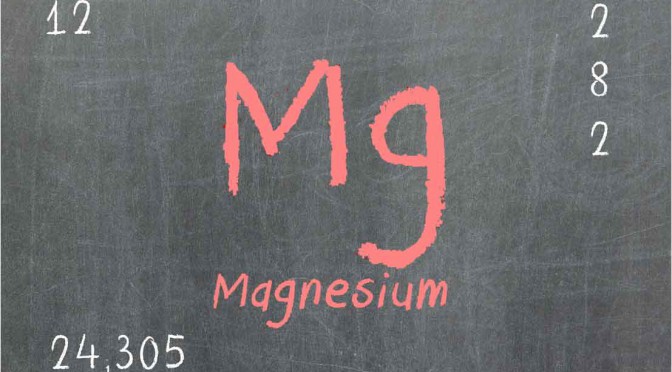
Magnesium 鎂

Overview

Every organ in the body, especially the heart, muscles, and kidneys, needs the mineral magnesium. It also contributes to the makeup of teeth and bones. Most important, it activates enzymes, contributes to energy production, and helps regulate calcium levels, as well as copper, zinc, potassium, vitamin D, and other important nutrients in the body.

You can get magnesium from many foods. However, most people do not get as much magnesium as they should from their diet. Foods rich in magnesium include whole grains, nuts, and green vegetables. Green leafy vegetables are particularly good sources of magnesium.

Although you may not get enough magnesium from your diet, it’s rare to be severely deficient in magnesium. Certain medical conditions, however, can upset the body’s magnesium balance. For example, an intestinal virus that causes vomiting or diarrhea can cause temporary severe magnesium deficiencies. Some gastrointestinal diseases (such as irritable bowel syndrome or IBS and ulcerative colitis), diabetes, pancreatitis, hyperthyroidism (high thyroid hormone levels), kidney disease, and taking diuretics can lead to deficiencies. Too much coffee, soda, salt, or alcohol, as well as heavy menstrual periods, excessive sweating, and prolonged stress can also lower magnesium levels.

Symptoms of magnesium deficiency may include agitation and anxiety, restless leg syndrome (RLS), sleep disorders, irritability, nausea and vomiting, abnormal heart rhythms, low blood pressure, confusion, muscle spasm and weakness, hyperventilation, insomnia, poor nail growth, and even seizures.

Uses

Getting enough magnesium may enhance the effectiveness of conventional treatment for the following conditions:

Asthma
Several studies show that intravenous (IV) magnesium and magnesium inhaled through a nebulizer can help treat acute attacks of asthma in children 6 – 18 years of age, as well as adults. Low levels of magnesium may increase risk of developing asthma. A population based clinical study of more than 2,500 children 11 – 19 years of age found that low dietary magnesium intake may be associated with risk of asthma. The same was found in a group of more than 2,600 adults 18 – 70 years of age.

Depression
Inadequate magnesium appears to reduce serotonin levels, and antidepressants have been shown to raise brain magnesium. A 2008 study found that magnesium was as effective as the tricyclic antidepressants in treating depression among people with diabetes.

Diabetes
People who have type 2 diabetes often have low levels of magnesium in the blood. A large clinical study of over 2,000 people found that getting more magnesium in the diet may help protect against developing type 2 diabetes. Some studies suggest that taking magnesium supplements may help blood sugar control and insulin sensitivity in people with diabetes or prediabetes.

Noise related hearing loss
One study suggests that taking magnesium may prevent temporary or permanent hearing loss due to very loud noise.

Arrhythmia and heart failure
Magnesium is essential to heart health. Studies suggest a possible association between a modestly lower risk of CHD in men and increased magnesium intake. In one study of women, higher dietary intakes of magnesium were associated with a lower risk of sudden cardiac death. Magnesium helps maintain a normal heart rhythm and is sometimes given intravenously (IV) in the hospital to reduce the chance of atrial fibrillation and cardiac arrhythmia (irregular heartbeat). People with congestive heart failure (CHF) are often at risk for developing cardiac arrhythmia.  One well designed study found that taking magnesium orotate for a year reduced symptoms and improved survival rates compared to placebo in people with CHF. Magnesium and calcium work together at very precise ratios to ensure your heart functions properly.

Results of studies using magnesium to treat heart attack survivors, however, have been mixed. Some have reported lower death rates, as well as fewer arrhythmias and improved blood pressure when magnesium is used as part of the treatment following a heart attack.

High blood pressure
Eating low fat dairy products, along with lots of fruits and vegetables on a regular basis, is associated with lower blood pressure. All of these foods are rich in magnesium, as well as calcium and potassium. A large clinical study of more than 8,500 women found that a higher intake of dietary magnesium may decrease the risk of high blood pressure in women. A few studies also suggest that magnesium supplements may help lower blood pressure, although not all studies agree.

Migraine headache
A few studies suggest that taking magnesium supplements may help prevent migraine headaches. In addition, a few clinical studies suggest that magnesium supplements may shorten the duration of a migraine and reduce the amount of medication needed. People who have migraine headaches tend to have lower levels of magnesium compared to those with tension headaches or no headaches at all.

Some experts suggest combining magnesium with the herb feverfew along with vitamin B2 (riboflavin) may be helpful when you have a headache.

However, some studies suggest that magnesium sulfate may be less effective than prescription medications for preventing migraines in those who have 3 or more headaches per month. The only exception to this may be women who get migraine headaches around the time of their period.

Osteoporosis
Not getting enough calcium, vitamin D, magnesium, and other micronutrients play a role in the development of osteoporosis. To prevent osteoporosis, it is important to get enough calcium, magnesium, and vitamin D; to eat a well balanced diet; and to do weight bearing exercises throughout life.

Preeclampsia and eclampsia
Preeclampsia is characterized by a sharp rise in blood pressure during the third trimester of pregnancy. Women with preeclampsia may develop seizures, which is then called eclampsia. Magnesium, given in the hospital intravenously (IV), is the treatment of choice to prevent or treat seizures associated with eclampsia or to prevent complications from preeclampsia.

Premenstrual syndrome (PMS)
Scientific studies suggest that magnesium supplements may help relieve symptoms associated with PMS, particularly bloating, insomnia, leg swelling, weight gain, and breast tenderness. One study suggests that a combination of magnesium and vitamin B6 may work better than either one alone.

Dietary Sources

Rich sources of magnesium include tofu, legumes, whole grains, green leafy vegetables, wheat bran, Brazil nuts, soybean flour, almonds, cashews, blackstrap molasses, pumpkin and squash seeds, pine nuts, and black walnuts. Other good dietary sources of this mineral include peanuts, whole wheat flour, oat flour, beet greens, spinach, pistachio nuts, shredded wheat, bran cereals, oatmeal, bananas, and baked potatoes (with skin), chocolate, and cocoa powder. Many herbs, spices, and seaweeds supply magnesium, such as agar seaweed, coriander, dill weed, celery seed, sage, dried mustard, basil, cocoa powder, fennel seed, savory, cumin seed, tarragon, marjoram and poppy seed.

It is a good idea to take a B vitamin complex, or a multivitamin containing B vitamins, because the level of vitamin B6 in the body determines how much magnesium will be absorbed into the cells.

Upper Limits

The Council for Responsible Nutrition recommends an upper limit of 400 mg per day (supplemental) for healthy adults.

Sources

University of Maryland Medical Center
Council for Responsible Nutrition