Overview
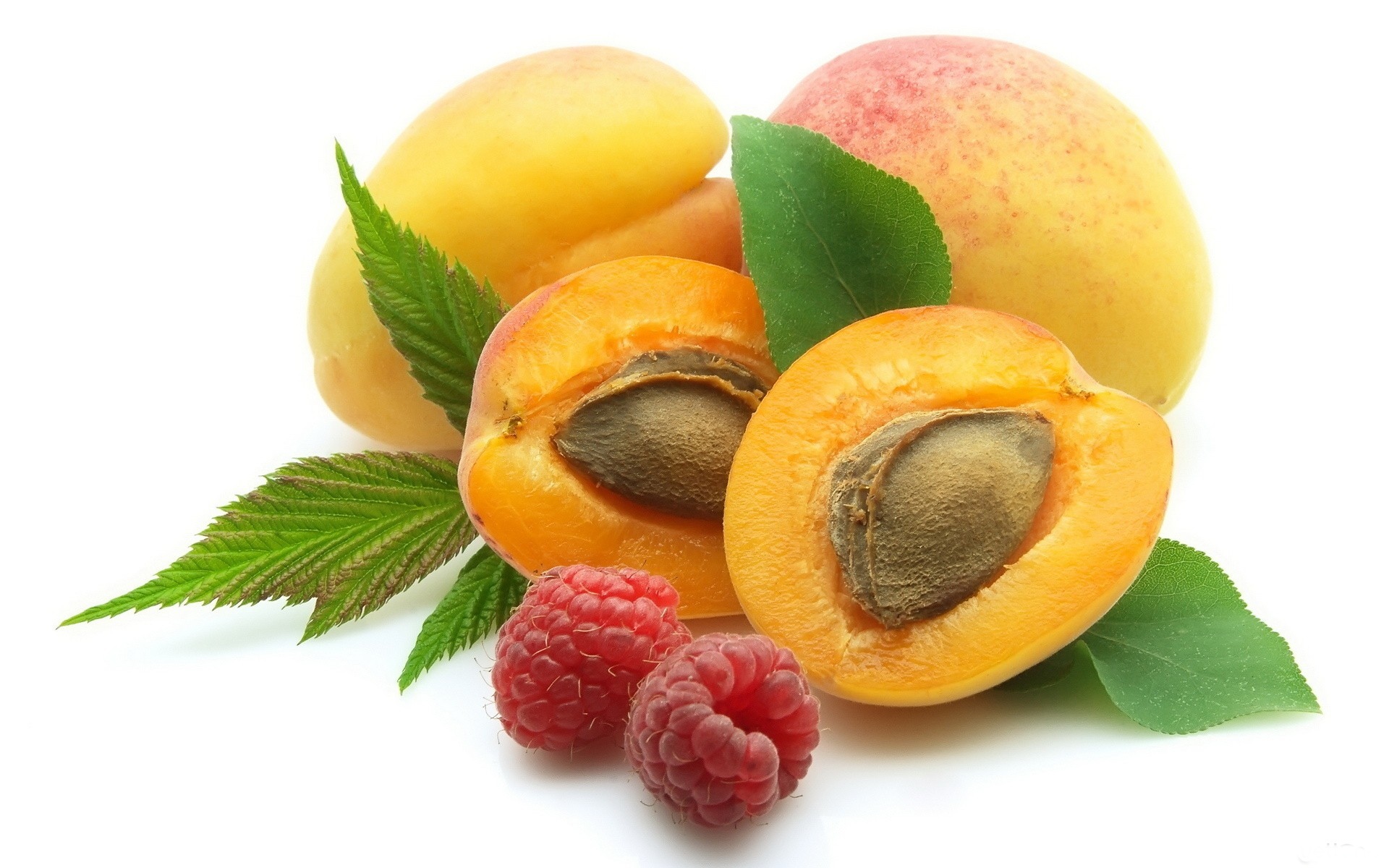
Beta-carotene is one of many hundreds of food carotenoids. Beta-carotene is the most abundant form of provitamin A (material that can be converted into vitamin A) in fruits and vegetables. It gives yellow and orange fruits their rich colours. Beta carotene is an effective source of vitamin A in both conventional foods and vitamin supplements, and is generally safe.
Beta-carotene is an antioxidant. It protects the body from damaging molecules called free radicals. Free radicals damage cells through a process known as oxidation. Over time, this damage can lead to a number of chronic illnesses. There is good evidence that eating more antioxidants foods helps boost your immune system, protect against free radicals, and may lower your risk of heart disease and cancer.
Studies have shown that people with high intakes of beta-carotene or high blood levels of this nutrient have a reduced risk of various diseases, including cancer and heart disease (van Poppel and Goldbohm 1995). In addition, beta-carotene and some other carotenoids may play an important role in facilitating cell-to-cell communications (Acevedo and Bertran 1995). Because many carcinogens inhibit such cellular communications (Gregus and Klaasen 1996), protection of this activity by dietary substances could be an important function in the protection against cancer.
Dietary Sources
The richest sources of beta-carotene are yellow, orange, and green leafy fruits and vegetables (such as carrots, spinach, lettuce, tomatoes, sweet potatoes, broccoli, cantaloupe, and winter squash). In general, the more intense the colour of the fruit or vegetable, the more beta-carotene it has.
Beta-carotene is fat-soluble, so you should take it with meals containing at least 3 g of fat to ensure absorption.
Limits and safety levels
Extensive data show that beta-carotene supplements of 50 mg every other day (the equivalent to 25 mg per day) can be taken for more than a decade without harm in a large group of mostly nonsmokers (Hennekens et al. 1996). The Council for Responsible Nutrition concludes that an intake of 25 mg per day is acceptable for non-smokers. Skin discolouration may occur with larger amounts, but this effect is harmless and self-correcting with intake reduction.
The only evidence of adverse effects of beta-carotene comes from the ATBC and CARET studies, which involved long-term heavy smokers and asbestos workers. These data suggest a LOAEL of 20 mg per day for smokers or asbestos workers, but disparities between the ATBC and CARET results and other data prevent confident identification of any LOAEL for beta-carotene. Smokers and asbestos workers should first control these health risks, then evaluate whether beta-carotene supplements are necessary.
Sources
University of Maryland Medical Center